
What’s a P-Trap? The Unsung Hero of Your Plumbing System
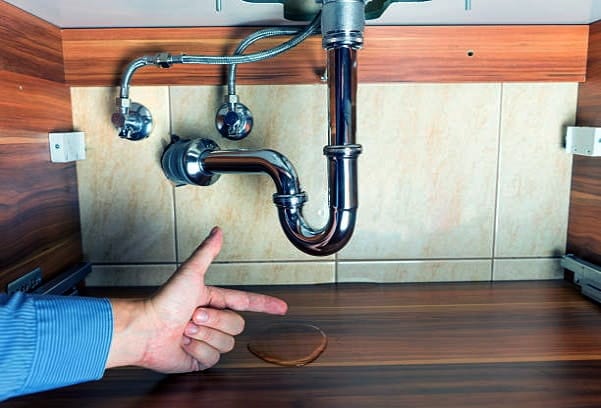
Most homeowners don’t think about their plumbing system until something goes wrong—but deep inside your walls and under your sinks are small components doing critical jobs every day. One of those is the humble P-trap. Though it may not look like much, the P-trap is a key part of your home’s plumbing and plays a vital role in keeping your living space safe, sanitary, and smelling fresh.
What Exactly Is a P-Trap?
A P-trap is the curved section of pipe you can see beneath sinks, tubs, and showers. Its name comes from the “P” shape it forms when combined with the drainpipe and waste line. The P-trap holds a small amount of water at all times, and that water acts as a barrier to block sewer gases from coming back up into your home. Without it, you’d be constantly smelling what's down in your drain lines—and trust us, that’s not something you want.
How It Works
Every time you use your sink, the water you see going down the drain pushes old water through the P-trap and leaves a fresh seal of water in the bend. This “trap seal” acts as a plug to block foul-smelling or dangerous gases (like methane and hydrogen sulfide) from backing up into your home.
Why They Matter in Alaska
In colder climates like Alaska, P-traps face an extra challenge: freezing. Since they hold water at all times, poorly insulated or improperly installed P-traps can freeze, crack, or fail during long stretches of subzero weather. At Prospector Plumbing & Heating, we make sure P-traps are properly placed in heated areas or protected with insulation when installed in crawlspaces or exterior walls.
What Can Go Wrong With a P-Trap?
Here are a few common issues we see with P-traps in Alaskan homes:
- Dry traps: If a sink, tub, or floor drain isn’t used for a long time, the water can evaporate. This breaks the seal and allows odors to enter.
- Leaky joints: Over time, seals and connections can loosen or corrode, leading to drips under your sink.
- Clogs: Hair, food debris, and grease can build up in the trap, causing slow drainage or backups.
- Freezing:: Uninsulated P-traps in cold zones can freeze, crack, or separate.
Different Types of P-Traps
- PVC traps: Common in residential settings, lightweight, corrosion-resistant, and easy to install.
- Chrome or brass traps: Often used in exposed plumbing under pedestal sinks for a clean look.
- ABS traps: Black plastic used in some residential applications.Each type is designed for a specific application, and at Prospector, we install traps that match your fixture, finish, and usage conditions.
Code Compliance & Venting
In Alaska and elsewhere, plumbing code requires that every fixture has a trap—and that the trap be properly vented. Without proper venting, negative pressure can suck the water out of the trap, defeating its purpose. We ensure venting is up to code and trap designs follow best practices for longevity and safety.
Maintaining Your P-Traps
- Run water into rarely used fixtures every few weeks to keep traps from drying out.
- Use strainers in sinks and tubs to keep hair and debris out.
- Avoid pouring grease or coffee grounds down the drain.
- If you notice a musty odor from a drain, try running hot water or pouring a small amount of vinegar and baking soda down it—it might just be a dry or dirty P-trap.
The Bottom Line
P-traps may be small, but they’re essential to a clean, healthy home. Whether you’re building a new bathroom or investigating a strange smell, don’t overlook the power of this simple but vital plumbing component. At Prospector Plumbing & Heating, we make sure every trap is installed right, sealed tight, and protected against the elements—because in Alaska, even the little things make a big difference.
Licensed & insured Alaska plumbing and heating. Locally owned and operated! We're the happiest plumbers in Alaska and go the extra mile on every job!
Fairbanks
135 32nd Avenue
Fairbanks AK 99701
North Pole
North Pole, AK 99705
Mat-Su Valley
1712 N Williwaw Way
#1 Wasilla, AK 99654
Eagle River
AK 99577