

What to do if you suspect a gas leak in North Pole to protect your home
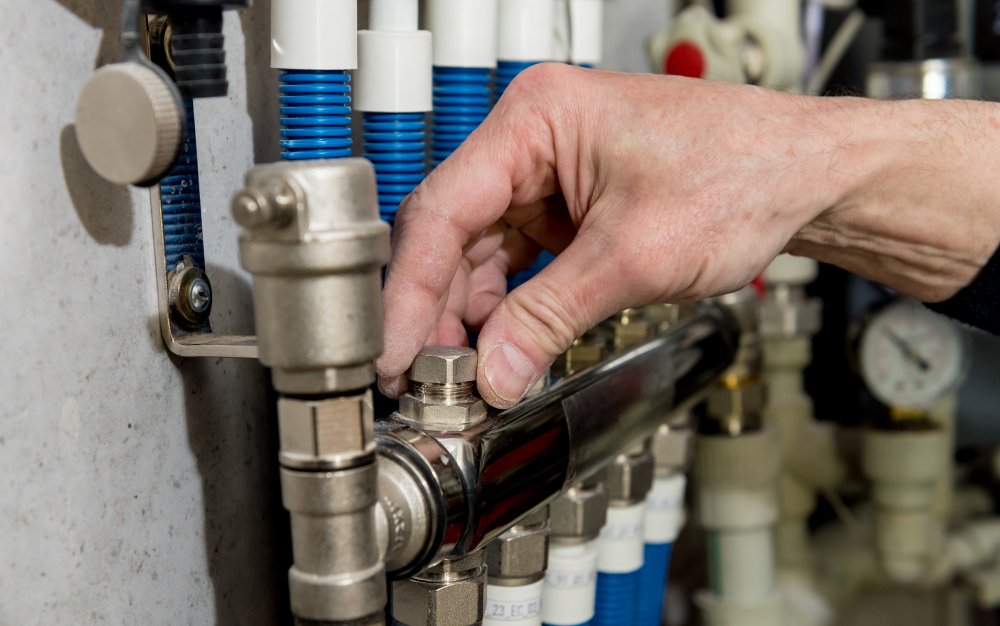
Natural gas use in North Pole has expanded rapidly over the past several years. The Interior Gas Utility now serves over 3,400 customers across the Fairbanks North Star Borough, with North Pole as its largest area of growth. As more homes convert from heating oil to natural gas for furnaces, water heaters, and other appliances, knowing what to do if you suspect a gas leak in North Pole is no longer optional. It is a basic safety requirement for every household on the system.
Natural gas is one of the safest and most efficient ways to heat a home in Interior Alaska, but it demands respect. A leak that goes unrecognized or is handled incorrectly can lead to an explosion, a fire, or carbon monoxide exposure. The National Fire Protection Association reports that U.S. fire departments respond to an average of 125,000 residential natural gas or liquefied petroleum gas leaks every year, and gas-related fires and explosions kill an average of 40 and injure 140 Americans annually.
The good news is that gas leaks are preventable, detectable, and manageable when you know the warning signs and the correct response. This article walks through everything a North Pole homeowner needs to know, from recognizing the first signs of a leak to getting your system professionally inspected and maintained.
In this article, you will learn about:
- How to recognize the signs of a gas leak inside and outside your home
- The immediate steps to take when you suspect a leak
- What not to do during a suspected gas leak
- How gas leaks happen in Interior Alaska homes
- How to prevent leaks with routine maintenance and professional inspections
Keep reading to make sure you and your family know exactly how to respond if you ever smell gas or notice something wrong with your system.
How to recognize the signs of a gas leak inside and outside your home
Natural gas in its raw form is colorless and odorless, which is why utility companies add a chemical called mercaptan that gives it a distinctive rotten egg or sulfur smell. That smell is your primary early warning system. But it is not the only one. Gas leaks can produce visual, audible, and physical signs that every homeowner should be able to identify.
The faster you recognize a leak, the faster you can get your family out and get help on the way. In a cold climate like North Pole, where homes are sealed tight against the weather for months at a time, gas can accumulate indoors quickly if a leak develops.
The smell of rotten eggs or sulfur
This is the most recognizable sign and the one most people learn first. If you smell something like rotten eggs anywhere in your home, especially near a gas appliance, a gas line, or in a confined space like a utility room or basement, treat it as a potential leak until proven otherwise.
The intensity of the smell matters. A faint whiff near the stove after lighting a burner can be normal, but a persistent or strong sulfur smell in any room, especially one that gets stronger over time, signals a problem that requires immediate action.
Keep in mind that some people have a reduced sense of smell, whether from age, illness, or sinus conditions common during Interior Alaska's dry winters. If you live with someone who may not detect odors as easily, consider installing a combustible gas detector as a backup layer of protection. NFPA 715, the standard for fuel gas detection and warning equipment, recommends placing natural gas detectors closer to the ceiling since natural gas vapors are lighter than air and rise.
Visual and audible warning signs
A gas leak does not always announce itself with smell alone. There are several other signs that can indicate gas is escaping from a line, a fitting, or an appliance connection.
Watch and listen for:
- A hissing, whistling, or roaring sound near a gas line, meter, or appliance connection
- Blowing dust or dirt near an outdoor gas line or meter
- Bubbling in standing water near a gas line path
- Dead or dying vegetation in the yard directly above a buried gas line, with no other obvious cause
- A white cloud, mist, or fog near an outdoor line, particularly in cold weather when it might otherwise be mistaken for condensation
These outdoor signs are especially relevant in North Pole, where buried gas lines run from the street to the house through soil that shifts and settles during freeze-thaw cycles. Ground movement can stress fittings and joints over time, making outdoor sections of the line worth watching, particularly after breakup or after an unusually severe cold stretch.
Physical symptoms of gas exposure
Prolonged exposure to a natural gas leak in an enclosed space can cause physical symptoms that mimic the flu. If multiple people in the household start feeling unwell at the same time, especially with symptoms that improve when they leave the house, gas exposure should be considered.
Symptoms to watch for include:
- Headaches, dizziness, or lightheadedness
- Nausea or vomiting
- Fatigue or confusion
- Difficulty breathing
- Irritation of the eyes, nose, or throat
These symptoms are also consistent with carbon monoxide exposure, which is a separate but related risk. The U.S. Consumer Product Safety Commission notes that carbon monoxide is produced by the incomplete burning of natural gas and other fuels, and that malfunctioning furnaces, water heaters, and other gas appliances are common sources. More than 200 people in the United States die every year from carbon monoxide produced by non-automotive consumer products.
In a North Pole winter, where homes run gas furnaces and water heaters around the clock and ventilation is limited, these risks are amplified. If anyone in your home is experiencing these symptoms and you suspect gas or CO exposure, leave the house immediately and call 911 from outside.
The immediate steps to take when you suspect a leak
If you smell gas, hear a hissing sound near a gas line, or notice any of the warning signs described above, the response needs to be fast, calm, and methodical. A gas leak is not a situation where you stop to troubleshoot. You act first and investigate later, once professionals are on site.
These steps apply whether the smell is strong or faint, whether it is inside or outside, and whether you are sure it is gas or just suspect it might be.
Leave the house immediately
Get everyone out. Every person in the home, including pets, should leave the building right away. Do not stop to gather belongings, turn off appliances, or look for the source of the smell. If you can open a window or door on your way out without going out of your way, do it to help ventilate. Otherwise, just go.
Move to a safe distance from the house, at least several hundred feet. Natural gas is highly flammable, and in a worst-case scenario, accumulated gas inside a structure can ignite and cause an explosion. Distance is your best protection.
Do not re-enter the house for any reason until a professional has inspected the system and confirmed it is safe to return.
Call for help from a safe location
Once you are outside and at a safe distance, call for help. The order of calls depends on the severity of the situation.
- Call 911 if the smell is strong, if you hear hissing, if anyone is experiencing physical symptoms, or if you believe the leak is significant
- Call the Interior Gas Utility emergency line to report the leak and have them dispatch a technician to assess the situation
- Call a licensed plumber or gas line repair professional to inspect and repair the source of the leak once the area has been cleared
Do not make phone calls from inside the house. Cell phones and landlines can produce small electrical sparks that, in the presence of concentrated gas, could be enough to cause ignition. Always call from outside, away from the suspected leak area.
Wait for professionals before returning
This is the step most people want to skip, especially in a North Pole winter when stepping outside means stepping into extreme cold. But re-entering a house with a potential gas leak is dangerous. Gas concentrations can build while you are outside, and what smelled faint when you left could be at a hazardous level by the time you return.
Emergency responders and gas utility technicians have specialized equipment to measure gas concentrations, locate the source of the leak, and determine when the space is safe to occupy again. Let them do their job before you go back inside.
If the weather is severe and you need shelter while waiting, go to a neighbor's home or sit in a vehicle that is parked away from the house. Do not sit in a vehicle in an attached garage, even with the garage door open, as gas could migrate from the house into the garage.
What not to do during a suspected gas leak
Knowing what to avoid is just as important as knowing the right steps. Several common actions that seem harmless can introduce an ignition source into a gas-filled space. In a high-concentration leak, a single spark is all it takes.
These rules apply from the moment you suspect a leak until a professional has confirmed the space is clear.
Do not flip any switches or use electronics
Do not turn light switches on or off. Do not plug in or unplug any appliance. Do not use a flashlight, a cell phone, or any battery-powered device inside the house. Electrical contacts produce small sparks during operation, and those sparks can ignite natural gas if the concentration in the air has reached the right level.
This includes:
- Wall light switches and dimmer controls
- Thermostat adjustments
- Garage door openers
- Doorbells
- Portable electronics including phones and tablets
If the lights are already on, leave them on. If they are off, leave them off. The safest approach is to touch nothing and exit.
Do not use open flames
Do not light a match, a lighter, a candle, or a cigarette. Do not use the stove, the oven, or the fireplace. Do not start a vehicle in an attached garage. Any open flame in the presence of natural gas creates a direct ignition risk.
This might seem obvious, but in a stressful situation, instinct can override caution. If the power is out during a winter storm and you smell gas, the temptation to light a candle or a lantern is real. Resist it. Get out of the house instead.
Do not try to locate or fix the leak yourself
Tracing a gas leak requires specialized detection equipment and training. Attempting to follow the smell to its source keeps you in the danger zone longer and puts you at risk. Even if you can identify the general area, do not attempt to tighten fittings, adjust valves, or disconnect appliances unless you have been trained to do so.
The one exception is the main gas shutoff valve. If you know where it is, you can reach it safely on your way out, and you can operate it without tools, turning off the gas supply is a reasonable precaution. But do not delay your exit to search for the shutoff, and do not go back inside to find it. If you cannot reach it quickly and safely, leave it for the professionals.
How gas leaks happen in Interior Alaska homes
Understanding the common causes of gas leaks helps you know what to watch for and where to focus your maintenance attention. In North Pole, the same conditions that make natural gas such an important heating option, extreme cold, heavy appliance use, and aging infrastructure, also create the conditions where leaks are most likely to develop.
Appliance connections and fittings
The most common source of residential gas leaks is the connection point between the gas supply line and the appliance it serves. Furnaces, water heaters, stoves, and dryers all have gas connectors, usually flexible metal or stainless steel lines, that can loosen, corrode, or fail over time.
In older North Pole homes that were originally built for oil heat and later converted to natural gas, the fittings and connectors may not have the same longevity as systems installed from the ground up. Moving an appliance, even slightly, for cleaning or maintenance can stress a connector and create a small leak at the joint.
The CPSC recommends having all fuel-burning appliances, including furnaces, water heaters, stoves, and space heaters, professionally inspected at least once a year. That inspection should include checking every gas connector, fitting, and valve for integrity.
Gas line damage from ground movement
North Pole's freeze-thaw cycles put stress on everything underground, including gas lines. The Interior Gas Utility's distribution system uses high-density polyethylene piping, which handles ground movement better than rigid metal, but the service lines connecting the main to individual homes still pass through soil that heaves and settles seasonally.
Over time, that movement can stress connections at the meter, at the point of entry into the house, and at any joint along the service line. A visual check of the meter and the visible sections of the line, particularly after spring breakup or an unusually deep frost season, is a simple habit that can catch problems before they become leaks.
If you notice the meter is tilted, the line appears bent or stressed, or the ground around the line has settled or heaved significantly, contact your gas utility or a licensed professional to inspect the connection.
Aging appliances and deferred maintenance
A gas appliance that has not been serviced in years is more likely to develop a leak than one on a regular maintenance schedule. Burners accumulate debris. Pilot lights and ignition systems drift out of adjustment. Heat exchangers crack. Connectors corrode. Each of these conditions can create a path for gas to escape.
In Interior Alaska, where furnaces and water heaters run under heavy demand for eight months or more per year, the wear and tear accumulates faster than in milder climates. An appliance that might run trouble-free for 15 years in the Lower 48 may need more frequent attention here.
Annual inspections are the single most effective way to catch aging components before they fail. A licensed technician checks burner operation, inspects the heat exchanger, tests gas connections with a leak detection solution, and verifies that venting is clear and functional. That one visit per year addresses the majority of conditions that lead to residential gas leaks.
How to prevent leaks with routine maintenance and professional inspections
The best response to a gas leak is never having one. Prevention comes down to three things: knowing your system, maintaining it on schedule, and calling a professional when something does not look or smell right. For North Pole homeowners on natural gas, these practices should be as routine as changing a furnace filter.
Schedule annual appliance inspections
Every gas appliance in your home should be professionally inspected at least once a year. The CPSC recommends that consumers have a professional inspection of all fuel-burning appliances, including furnaces, stoves, fireplaces, clothes dryers, water heaters, and space heaters, to detect potential gas and carbon monoxide leaks.
A thorough annual inspection covers:
- Gas connector and fitting integrity at every appliance
- Burner operation, including flame color and ignition performance
- Heat exchanger condition on furnaces and boilers
- Venting and flue pipe inspection for blockages, corrosion, or disconnections
- Carbon monoxide testing at appliance exhaust points
- Gas pressure testing to confirm the system is operating within safe parameters
In North Pole, the best time to schedule this inspection is early fall, before the heating season begins and before your furnace and water heater are running at peak demand. Catching a worn connector or a cracked heat exchanger in September is far better than discovering it during a January cold snap.
Install gas and carbon monoxide detectors
Detectors are your backup when your nose is not enough. The CPSC recommends that every home have at least one carbon monoxide alarm on each level and in the hallway near every sleeping area, meeting the requirements of the current UL 2034 safety standard. For natural gas detection, the NFPA's 715 standard provides guidance on installing fuel gas detection equipment.
For a North Pole home with natural gas, a practical detector setup includes:
- A carbon monoxide alarm on every level of the home and near every sleeping area
- A combustible gas detector near the furnace, water heater, and any other major gas appliance
- Battery backup on all detectors to ensure they function during power outages
Test your detectors monthly and replace them according to the manufacturer's recommendations, typically every five to seven years for CO alarms. A detector with dead batteries or an expired sensor is not providing protection.
Know your shutoff locations
Every household member old enough to operate a valve should know where the main gas shutoff is and how to turn it off. In most homes, the shutoff valve is located on the gas meter outside the building. Turning the valve a quarter turn so the handle is perpendicular to the pipe shuts off the gas supply to the entire house.
Some homes also have individual shutoff valves on the gas line serving each appliance. These are typically located within a few feet of the appliance and allow you to isolate one device without cutting gas to the whole house.
Practice locating and operating these valves before you need them. In an emergency, you do not want to be searching for the shutoff with a flashlight in the dark. And after any shutoff, do not turn the gas back on yourself. That is a job for a licensed professional who can verify there are no leaks, relight pilots safely, and confirm the system is operating correctly.
Call a professional when something seems off
Not every unusual smell turns out to be a gas leak, and not every appliance sound signals a problem. But in a home with natural gas, the safe approach is to treat any suspicious sign as real until it has been checked. A licensed plumber or gas line specialist can test your system quickly and either confirm it is safe or identify the issue before it becomes dangerous.
Common situations that warrant a professional check include:
- A faint but persistent gas smell that you cannot trace to a specific source
- A pilot light that keeps going out on a furnace or water heater
- A yellow or orange flame on a gas burner that should be blue
- A gas appliance that has not been serviced in more than a year
- Any new installation or conversion from oil to gas that has not yet been inspected by a licensed technician
The cost of a service call is negligible compared to the cost of a gas-related incident. When in doubt, make the call.
Conclusion
Living with natural gas in North Pole means living with a heating source that is efficient, reliable, and safe when properly maintained. But it also means accepting the responsibility that comes with having a combustible fuel piped into your home. Knowing the warning signs of a leak, acting quickly when something seems wrong, and maintaining your system on schedule are the three pillars of gas safety for every household on the system.
The response protocol is simple and worth repeating. If you smell rotten eggs, hear hissing near a gas line, or notice any unusual signs near your appliances or meter, get everyone out of the house, call for help from a safe location, and do not go back inside until a professional confirms it is safe.
Between emergencies, prevention is the best strategy. Annual inspections, working detectors, and a clear understanding of your shutoff locations keep your home safe and your system running the way it should. If your gas appliances have not been inspected recently, or if you need gas line repair or a safety evaluation, Prospector Plumbing and Heating serves the North Pole and Fairbanks area and can help you make sure your system is in safe working order.
Licensed & insured Alaska plumbing and heating. Locally owned and operated! We're the happiest plumbers in Alaska and go the extra mile on every job!
Fairbanks
135 32nd Avenue
Fairbanks AK 99701
North Pole
North Pole, AK 99705
Mat-Su Valley
1712 N Williwaw Way
#1 Wasilla, AK 99654
Eagle River
AK 99577