

How to prevent water line leaks in North Pole through regular maintenance
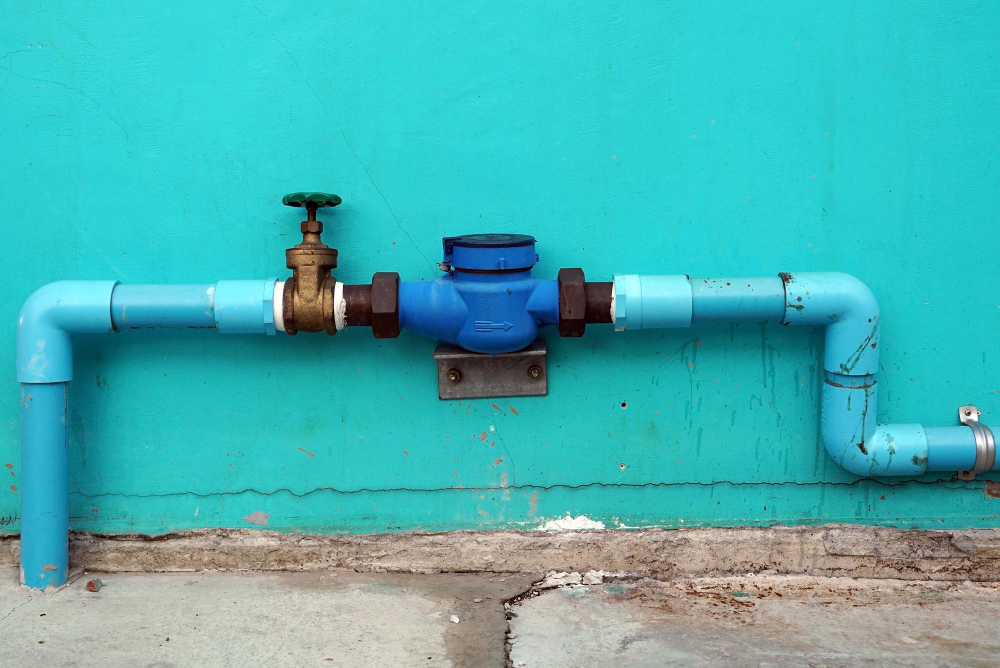
Water line leaks in North Pole homes are not random events. They follow predictable patterns driven by the age of the pipe, the behavior of the ground around it, and the stress put on fittings and joints by decades of freeze-thaw cycling. Learning how to prevent water line leaks in North Pole through regular maintenance is not complicated, but it does require understanding why this market is different from the lower 48 and what routine care actually accomplishes in Interior Alaska conditions.The cost of doing nothing adds up faster than most homeowners expect. According to the U.S. EPA, the average family wastes nearly 9,400 gallons of water every year from household leaks alone, and nationally that loss adds up to roughly 900 billion gallons annually. In North Pole, where every repair involves real scheduling windows, higher material costs, and a climate that turns a slow leak into a burst pipe the moment temperatures drop, the stakes are higher than those national averages reflect.The good news is that most water line failures in North Pole are preventable. Not all of them, and not forever, but a homeowner who pays attention to the right things at the right times catches the warning signs early enough to schedule a repair on their terms rather than reacting to an emergency. That difference in timing is worth hundreds to thousands of dollars on a single repair.In this article, you will learn about:
- Why North Pole's climate makes water line maintenance more urgent than average
- The seasonal maintenance tasks that prevent the most common failures
- How to inspect your system for early warning signs
- When professional service is necessary versus what homeowners can manage themselves
Keep reading to build a practical maintenance approach that fits the specific demands of an Interior Alaska home.
Why water line leaks happen more often in North Pole
Before getting into the maintenance steps, it helps to understand what is actually working against water lines in the North Pole area. The failure modes here are different from what most national plumbing guides assume, and a maintenance routine built for a moderate-climate home will miss the most important vulnerabilities.North Pole sits in Interior Alaska, where the ground behavior is unlike anything most homeowners have encountered. According to the Alaska Division of Geological and Geophysical Surveys, permafrost is highly sensitive to disturbance and temperature change, and the seasonal freeze-thaw of the active layer above it causes ground movement that affects every buried structure, including water service lines. That movement is not dramatic. It is gradual. But it is relentless, and over years it opens joints, shifts pipe sections out of alignment, and puts repeated bending stress on lines that were never designed to flex.Indoor water lines face a separate but equally real set of pressures. North Pole homes run their plumbing systems under heavier demand, colder incoming water temperatures, and longer seasonal heating loads than homes elsewhere. Fittings that hold up fine under moderate conditions begin to show wear faster when the system is working at the upper end of its design range for most of the year.
The age factor in North Pole housing
A meaningful portion of North Pole's residential housing stock dates from the 1960s through the 1980s. Service lines and interior piping from that era were installed with materials and methods that made sense at the time but are now 40 to 60 years into a lifecycle that most manufacturers rated at 25 to 50 years. Galvanized steel service lines from that period are well past their intended service life, corroding from the inside out and becoming increasingly brittle in cold weather.Homes with original galvanized supply lines should not be asking whether the pipe will eventually fail. They should be asking whether repiping is part of a near-term plan, because a pipe that old in this climate is operating on borrowed time. Catching the failure through a planned plumbing inspection rather than an emergency call is the only way to control the cost and timing.
How frost heave creates the conditions for leaks
Frost heave, the upward displacement of soil caused by ice lens formation during freezing, moves buried pipes out of their installed position every winter. The NOAA Arctic Report Card documents that permafrost degradation and seasonal frost activity have produced documented pipe failures across Alaska communities, with water supply lines among the first infrastructure components affected.The critical thing about frost heave as a leak cause is that it rarely produces a sudden break. It produces micro-movement at joints and fittings that accumulates over repeated cycles. A joint that shifted one millimeter last winter shifted two millimeters the winter before that and will shift more the winter after. Maintenance that catches the early-stage signal, slightly reduced pressure, a very slow bill increase, a faint wet patch in the yard that shows up in June, is maintenance that prevents the third or fourth year of cumulative movement from becoming a full break.
Seasonal maintenance tasks that prevent the most failures
Effective water line maintenance in North Pole is not a single annual event. It is a set of tasks distributed across the year, each tied to what the climate is doing to the pipes at that moment. The timing of each task matters as much as doing it at all.
Spring: the highest-risk transition period
Spring is when frost heave damage becomes visible and when the most significant preventable failures occur. The active soil layer thaws from the top down, and pipes that shifted during winter are now settling back, sometimes in a different position than they started. Spring is the right time to run a systematic check before the ground finishes moving and summer demand picks up.The spring check covers these specific items:
- Run every cold-water fixture in the house and note whether pressure feels consistent across all of them or lower in specific areas
- Check the water meter before and after a two-hour period of no water use, using the meter test described in the section below
- Walk the path of the buried service line from the street to the house, looking for soft spots, wet patches, or sections of ground that seem to have settled or shifted since fall
- Inspect visible supply lines in the crawl space, basement, or mechanical room for any signs of moisture, staining, or mineral deposits at joints
A professional visit in May or early June that includes water leak detection equipment catches slow losses in buried lines that the homeowner check cannot confirm from the surface.
Summer: the window for repairs and proactive work
Summer in North Pole is the repair window. The ground is workable, technician schedules are accessible outside of the emergency-demand crunch that hits in fall and winter, and any excavation work that involves the outdoor service line can be completed while conditions are favorable.The summer maintenance list for water lines is shorter than spring but no less important:
- Address any findings from the spring check before the ground begins to firm up in September
- Flush sediment from the water heater, which reduces the mineral load on the full supply system and helps catch any discoloration that might indicate pipe corrosion upstream
- Check and exercise all shutoff valves, including the main shutoff, by turning them fully off and back on to confirm they operate freely and do not weep when closed
A valve that has not been operated in years can seize in position, which means that when you actually need to shut off the water in a hurry, it will not move. Testing valves in summer costs nothing and removes a dangerous variable from a future emergency. For homes that have never had a camera inspection of the supply line, summer is when to schedule it, because excavation and repairs can follow immediately if the camera reveals a problem.
Fall: the pre-freeze preparation window
Fall is the last opportunity to address anything that needs outdoor work before the ground locks up for winter. It is also when preparation mistakes create the conditions for mid-winter failures. A hose bib left with water in it, a heat tape that was not plugged in, an outdoor supply connection that was not properly drained, any of these can lead to a frozen and burst pipe before January.The fall water line checklist:
- Disconnect and drain all outdoor hoses before the first freeze
- Shut off and drain all exterior hose bibs from the inside shutoff valve, not just by disconnecting the hose
- Test all heat tape installations by confirming the tape is plugged in, the indicator light is functioning, and there are no visible damaged sections along the run
- Check pipe insulation on any supply lines running through unheated spaces, crawl spaces, or exterior walls, replacing sections that have compressed, torn, or come loose
The pipe insulation check is one of the highest-value items on this list. Insulation that was adequate when installed five years ago may have compressed enough to reduce its effective R-value, particularly on lines in a crawl space where foot traffic or settling has put weight on it. In North Pole, insulation failure on a supply line in an unheated space is not a slow-developing problem. When temperatures hit -40, it is a frozen pipe within hours.
Winter: monitoring and early detection
Winter in North Pole is not a maintenance window, but it is the most important detection window of the year. The habits that catch problems during winter cost nothing and require no tools.Check the water meter reading once a month during heating season, ideally at the same time of day and after a period with no water use. A reading that has crept higher than the same month last year, without any obvious explanation like additional occupants or new appliances, is a signal worth investigating in spring. Keep the mechanical room and any crawl space access points clear so a technician can reach supply lines quickly if an emergency occurs.Know where the main water shutoff is, and confirm that every adult in the household knows where it is and how to operate it. In a burst pipe situation in a North Pole winter, the difference between getting to the shutoff in 30 seconds and taking five minutes to find it can be the difference between a manageable repair and a flooded mechanical room.
Using the meter test to catch slow leaks before they grow
The water meter is the most useful diagnostic tool available to a North Pole homeowner, and it requires no special equipment, no professional knowledge, and no more than five minutes to use correctly.The test works as follows. Identify the water meter location, which is typically in the mechanical room or near the main shutoff. Turn off every fixture that uses water in the house, including the refrigerator ice maker, any humidifiers, and irrigation systems. Note the meter reading, then wait two full minutes without using any water. Check the meter again.Any movement in the reading during those two minutes means water is flowing somewhere. If nothing is running inside the house, it is leaving through a leak. That leak may be a slow drip at a toilet flapper, a supply line fitting that has developed a hairline crack, or a compromised section of the outdoor service line losing water into the soil. A positive meter test result alone does not identify the location, but it confirms that a water line repair evaluation is the right next step rather than a question to revisit someday.Running this test three times per year, in spring after the thaw, in midsummer, and in early fall before freeze-up, gives a baseline for comparison and catches developing leaks at the earliest possible stage. Interior Alaska homeowners following a seasonal plumbing checklist should treat the meter test as a standing item, not an occasional check.
Pressure monitoring as a maintenance habit
Water pressure is one of the most accessible real-time indicators of supply line health, and most homeowners have a rough feel for what normal pressure in their home feels like even if they have never measured it formally.Normal residential water pressure falls between 40 and 80 PSI. Pressure at the high end of that range, above 80 PSI, accelerates wear on fittings and appliances and increases the risk of joint failures. A pressure reducing valve, usually called a PRV, that has failed and is allowing system pressure to climb into the 90-plus range is quietly stressing every threaded and soldered connection in the house. Checking the pressure at a hose bib with an inexpensive gauge once a year costs under ten dollars and catches a PRV failure before it damages other components.Pressure that trends downward over weeks or months is a different kind of signal. A main water line developing a slow leak bleeds pressure gradually. Homes on well systems can also see pressure drop as the well pump begins to lose output, an issue that shows up through the same symptom as a supply line leak but requires its own diagnostic. Either way, a downward pressure trend that cannot be explained by a known change in the system is a reason to schedule an evaluation, not a reason to wait and see.For homes that have experienced low water pressure problems previously, keeping a pressure log, just a note of the reading and date once a month, creates a record that helps a technician identify whether the current situation is new or part of a longer pattern.
What professional maintenance covers that homeowners cannot
Most of the seasonal tasks described in this article are within reach of any homeowner who is willing to spend a few hours at each transition period. But there are specific items that require professional equipment and licensed expertise, and skipping these to save money on a service call is a false economy.
Camera inspection of the supply line
A homeowner can observe the signs of an outdoor line problem from the surface: wet patches, pressure changes, billing trends. What a homeowner cannot observe is the actual condition of the pipe interior without pulling it out of the ground.A supply line camera run from the cleanout or meter access shows the current state of the pipe wall, any scale or mineral buildup restricting flow, joint conditions, and whether there are sections where frost heave has shifted the pipe out of horizontal alignment. The same visit can include a sewer inspection while the technician is already on-site, since both buried lines face the same frost heave stress in North Pole's soil. In North Pole homes with original supply lines, a camera run every three to five years gives an accurate picture of remaining service life and heads off surprises.
Leak detection with pressure testing
Professional plumbing leak detection uses pressure testing and acoustic equipment to locate leaks in buried lines without excavation. A technician can pressurize the supply line, watch for pressure drop over a defined period, and use acoustic listening equipment to pinpoint the location of a leak within a few feet. That precision eliminates the guesswork about where to dig and keeps excavation costs as low as possible.For homeowners who have run a positive meter test but cannot find any obvious source inside the house, professional leak detection is the right next step before any excavation begins.
Annual service for heat tape and pipe protection systems
Heat tape on supply lines in unheated spaces should be inspected by a technician every two to three years, not just visually checked by the homeowner. Heat tape that appears intact from the outside can have internal wiring failures that do not show up until a cold snap tests it. A technician inspection includes resistance testing of the tape itself and confirmation that the thermostat controller is functioning at the right activation temperature.The combination of good pipe insulation and properly functioning heat tape is the primary defense against frozen outdoor supply lines in North Pole winters. Both components need to be verified, not assumed, before each heating season.
Building a maintenance schedule that actually gets done
A maintenance routine that exists only as a mental intention does not work. The tasks covered in this article are simple individually, but they require a structure that moves them from "I should do that eventually" to a specific action at a specific time.The simplest approach is to tie each water line maintenance task to an existing seasonal anchor. The spring thaw check happens the same week as the first outdoor cleanup of the year. The fall pre-freeze check happens the same weekend as the storm window installation or the furnace tune-up. The meter test happens on the same day each season. These anchor points exist regardless of whether the maintenance tasks get added to them, which means adding the tasks costs no additional calendar management.Homes that have a membership plan with a plumbing service provider already have an annual professional visit built in. Using that visit to cover the camera and pressure testing items, combined with the homeowner-managed seasonal checks, covers the full maintenance picture without requiring a homeowner to coordinate multiple separate service calls.When maintenance does reveal something, knowing the specific water line repair warning signs to report to a technician makes the diagnostic visit faster and the repair estimate more accurate.
Conclusion
Water line leaks in North Pole are more predictable than most homeowners realize. The climate, the soil, the age of the housing stock, and the demands placed on Interior Alaska plumbing systems all point toward the same set of failure modes, and those failure modes respond to the same set of maintenance habits done consistently at the right times of year.The homeowners who avoid expensive emergency repairs are not lucky. They are the ones who run the meter test in spring, check their pressure in fall, know where their main shutoff is, and call a technician when something changes rather than waiting to see whether it gets better on its own.A single proactive visit catches what a season of watching cannot. Prospector Plumbing and Heating serves North Pole, Fairbanks, and the surrounding Interior Alaska communities with same-day service and upfront pricing. Call us to schedule your next maintenance visit and keep your water line doing its job quietly in the background, where it belongs.
Licensed & insured Alaska plumbing and heating. Locally owned and operated! We're the happiest plumbers in Alaska and go the extra mile on every job!
Fairbanks
135 32nd Avenue
Fairbanks AK 99701
North Pole
North Pole, AK 99705
Mat-Su Valley
1712 N Williwaw Way
#1 Wasilla, AK 99654
Eagle River
AK 99577