
How Long Do Tankless Water Heaters Last?
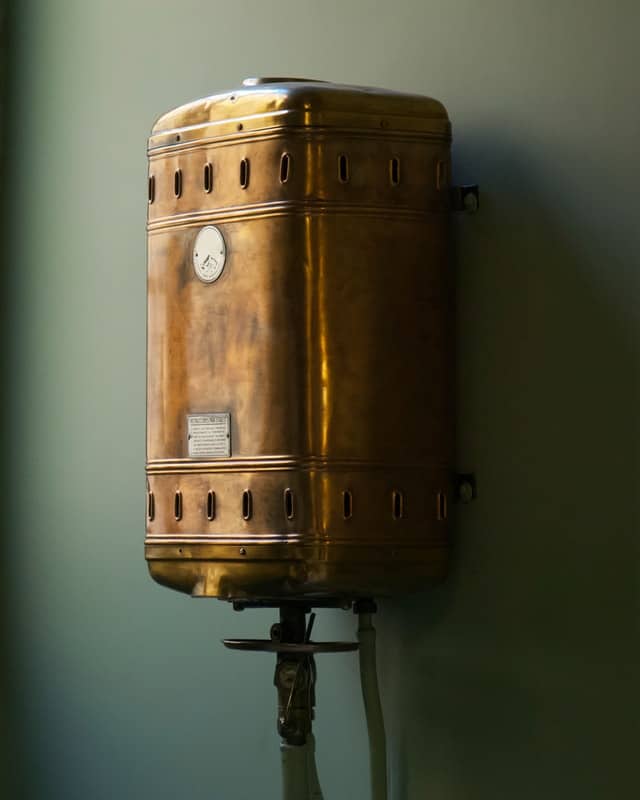
When choosing the right tankless water heater, you should consider its durability and how long it can perform effectively. Tankless water heaters will last longer and give you the security of durability than a traditional water heater. Taking good care of your tankless water heater can make it last more than 20 years.
If you do not clean and treat the water in your tankless water heater, the water can be highly corrosive. Untreated water can create maintenance-related problems for your boiler. Water can also bring foreign matter inside the boiler, resulting in serious damage over time.
Improper water treatment or not treating it at all is one of the causes of water boiler inefficiency. Boiler water should circulate in a water softener before you put it in a water tank to keep it in good working condition.
The dangers of hard water
Using excessively hard water in your boiler can lead to the development of the scale, which decreases the normal heat exchange in your tankless unit and can result in the wrecking of your water heater tank. Untreated water can also cause overheating, and the flow rate of your hot water will decrease.
Soft water keeps your water heaters in good working order. Using water softeners will help you to reduce the use of chemical treatments that can be expensive in the long run. Therefore, it is best for you to install a commercial water softener for your boiler.
Treating hard water with water softeners
Tank water heaters become less energy efficient with time. If your tankless heater becomes inefficient, gas, maintenance, and electrical costs will increase. Water treatment is vital for boiler maintenance to prevent low performance.
You should use a water softener to remove hard water minerals such as magnesium and calcium that can lead to scaling and cause boiler tube damage. Scale deposits can reduce tank-less water heaters' efficiency, decrease proper heat transfer, and cause the water heater to fail prematurely.
Functions of water softeners
It is vital to have a water softener as one of your accessories for most tankless water heaters because it performs many functions. It prevents tankless heaters from having issues and helps them work more effectively. Water softeners remove hard minerals, for instance, calcium and iron. The foreign particles get into the liner of your boiler, increasing the energy that your tank water heater needs and causing more problems.
- When hard water passes through the resin, it absorbs the iron and calcium ions to produce soft sodium ions. For the system to continue filtering out the hardness from your water, you must clean the resin beads during regeneration cycles.
- During the regeneration process, remove foreign particles, draw brine from your brine tank, and freshen the resin beads. You will get a hard water supply if your water softener has one resin tank during the regeneration procedure.
- If your water softener has two resin tanks, the backup tank will be more functional when regenerating the first tank, allowing soft water to move into the water heater tank.
Why you should use water softeners for your water heater tanks
It is best if you install a commercial or an industrial water softener if you use a tankless water heater in your commercial business or home because of the following reasons:
- Water softeners are vital if you want to increase your tankless water heater's lifespan and for it to work effectively. They get rid of metals from the hard water and put sodium ions to soften the water.
- A water softener comprises an ion exchange pressure vessel filled with resin. The ion exchangers filter out positively charged ions from the water in your water heater.
- Water softeners are pre-treatment standard equipment. Hard water scales up in your electric tankless heater treatment will help prevent boiler damage and decrease efficiency.
- If you use water softeners, you will not need to use chemical treatments to keep your water heater clean at all times.
- Any electric tankless heater maintenance protocol must involve treatment. A water softener can help your routine maintenance to keep your boiler in good condition so you can enjoy using it to its full operational lifetime.
- You should always use soft water in your boiler. If you do not use your boiler properly, it will need costly repairs and increase its energy costs.
Choosing the right water softener for your water heater system
To choose the best water softener, you need to test how hard your water is. You should test for pH and hardness in raw water and the degree of iron and magnesium in rural water.
Consider the features of the electric water heater, like water pressure, the feed line diameter, how much water it processes daily, and if your water system needs 24 hours of water softening. For more information, you can call a water treatment specialist to help select the best water softener for your water heater tanks.
How water softeners work
Some ions, such as iron, magnesium, and calcium, are positively charged in hard water. Water softeners contain an ion exchange that removes the ions from the water using resin beads. Brine with potassium and salt charges the resin beads negatively to create an attraction to the iron, magnesium, and calcium; then, they stick to the resin when the water flows into the tank. The process removes hard minerals from the water.
The cleaning process includes recharging resin beads, removing the solids, and withdrawing brine from the tank. The regeneration cycle allows the system to soften hard water continually.
Do you need help to install or maintain a tankless water heater?
You can call Prospector Plumbing & Heating at (907) 322-5763 or visit us at 1896 Ma 8, Fairbanks, AK 99709 to book an appointment today. We specialize in offering solutions to your water heater problems, including choosing a design for you, installing it, and providing maintenance services.
Licensed & insured Alaska plumbing and heating. Locally owned and operated! We're the happiest plumbers in Alaska and go the extra mile on every job!
Fairbanks
135 32nd Avenue
Fairbanks AK 99701
North Pole
North Pole, AK 99705
Mat-Su Valley
1712 N Williwaw Way
#1 Wasilla, AK 99654
Eagle River
AK 99577