
How different is the maintenance from a residential boiler to a commercial use boiler?
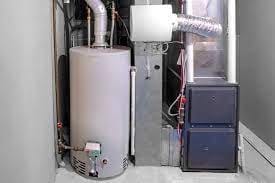
What is the difference between a residential and commercial boiler? This is one of the most common questions that most people ask. Some people assume the difference between the two lies in the quality of the boilers. In addition, others believe commercial ones are higher quality than residential ones.
However, residential and commercial boiler systems are similar in many respects. The only areas they differ in are general maintenance. Below, we explore the comparison between residential and commercial use boilers in terms of maintenance in Fairbanks, AK, USA.
What is a boiler?
A boiler system supplies hot water for residential and commercial properties. For instance, when you have a boiler in your residential house, the hot water from your washing machine, dishwasher, or shower will originate from one source, which supplies heat for your entire household.
What is commercial boiler?
These are pressurized systems that use electricity or fuel to heat water in your commercial properties. Some boilers will utilize the hot water while others depend on the water that has become steam.
The boiler usually has electric coils for generating heat for boiling water with the heat exchanger. However, natural gas is the most commonly used in commercial boilers.
Parts of commercial boilers
The following are some of the parts of a commercial boiler:
- Burner: This is the part responsible for providing flames to heat the water inside the boiler. It usually creates a combination of oxygen and fuel, consistently producing a burning flame.
- Combustion Chamber: This is where the fuel burns to warm the water. It has burners and a unique design to provide a secure area for the high-temperature combustion of explosive energy.
- Heat exchanger: This is the most significant part used for transferring heat generated by burners towards the water in the boiler.
- Exhaust stack: Exhaust stack is also known as an exhaust flue. A variety of pipes transport exhaust gases from inside the commercial property to the outside. During their installation, the boiler service must take extra care to ensure harmful gases, such as carbon monoxide, exit the facility’s interior.
Commercial boiler safety and maintenance
Boilers are usually highly volatile since they typically contain steam under high-temperature pressures. Proper maintenance is needed to ensure that industrial boilers are in good condition and that all safety measures are always ready for corrective action. Boilers can quickly explode, causing severe injuries that can lead to death and extensive damage to your commercial properties.
If you have this type of boiler, it's crucial to schedule routine maintenance with a professional. Timely servicing can ensure your boiler works at its highest level of efficiency while being safe.
What is a residential boiler?
A boiler heating system is a self-heating appliance in a residential property or home. Usually, the boiler heats water in a tank and dispenses the hot water through pipes or radiators to heat the interior of a boiler room. When the water cools and cannot give out heat, it returns to the steam boiler for reheating.
Related Article: Water Softener
Residential boilers can have either of these systems:
High-efficiency
This type of residential boiler is usually expensive. Still, it has significant energy efficiency discounts, which in the long run makes it cost-effective to maintain and run in your household.
Standard
The standard residential boiler is relatively affordable but costly to operate in the long run due to the high heating bills.
Preventive maintenance of a residential boiler
It is vital to regularly schedule annual residential boiler routine maintenance inspections to avoid operation issues down the road. In addition, preventative maintenance also aids in checking for cracks or damage in the boiler tank, pressure control settings, and water leaks.
Furthermore, to enhance the efficient performance of your residential boiler, it is essential to always check piping connections, burner controls, and temperature readings to ensure they are functioning properly. Keep furniture or cardboard away from the boiler, as they are potential fire hazards. In addition, it is vital to always perform preventative maintenance and access the residential boiler gauge and pilot light.
The difference in maintenance between a residential boiler and a commercial boiler
Typically, commercial boilers have one big boiler or several small steam boilers. When put jointly, several small boilers and one large boiler can produce about 150 kW of power, while domestic boilers usually have about ten to 40 kW of power.
Commercial boiler installation costs more than residential boiler installation, which is affordable. In addition, commercial boiler parts require maintenance every two years. You'll likely pay hourly commercial rates when the boiler runs out of warranty. Commercial boiler parts are more costly to replace than domestic boiler parts.
A domestic boiler usually has twelve-year parts that last longer, giving you peace of mind. Moreover, it is easier and cheaper to repair when the warranty runs out. The heat exchanger for a residential or domestic boiler is easy to maintain, too.
Looking for boiler maintenance in Fairbanks, AK, USA? Contact us
Residential and commercial use boilers are often similar in terms of functioning and the systems' quality since diverse heat sources can power both. However, the difference between residential and commercial use comes during maintenance due to the size of the units.
Proper boiler maintenance of these systems is critical because using a suitable boiler in your household or a commercial setup will aid in keeping you safe. It is essential to have a boiler maintenance checklist and hire a skilled technician to inspect them for a longer lifespan.
At Prospector Plumbing and Heating, we pride ourselves on giving long-lasting solutions to enable your home to be buttoned up and prospector reliable. We get your boiler or furnace running at top efficiency and keep you and your home or commercial property warm and cozy. In addition, our technicians have years of experience with the best tools and equipment at their disposal. Call (907) 322-5763 to schedule an appointment with us today.
Licensed & insured Alaska plumbing and heating. Locally owned and operated! We're the happiest plumbers in Alaska and go the extra mile on every job!
Fairbanks
135 32nd Avenue
Fairbanks AK 99701
North Pole
North Pole, AK 99705
Mat-Su Valley
1712 N Williwaw Way
#1 Wasilla, AK 99654
Eagle River
AK 99577