
How aging sewer lines affect Mat-Su Valley homes and property value over time
The Mat-Su Valley is one of the fastest-growing regions in Alaska, with population growth of 18 percent since 2015 according to the Alaska Department of Labor and Workforce Development. That growth has brought thousands of new families into Wasilla, Palmer, and the surrounding communities, many of them buying existing homes that were built decades ago. What most of those buyers do not see, and what many longtime homeowners overlook, is what is happening underground. How aging sewer lines affect Mat-Su Valley homes is a question that rarely comes up until a backup, a slow drain, or a failed home inspection forces the issue.
Sewer lines are not the kind of thing homeowners check on voluntarily. They sit four to eight feet underground, out of sight and out of mind, doing their job until they cannot anymore. But every sewer line has a lifespan, and in the Mat-Su Valley, the combination of age, freeze-thaw cycles, and soil movement means that lifespan can be shorter than most people expect.
The consequences of an aging or failing sewer line go well beyond a clogged drain. They include sewage backups into the home, water damage to floors and foundations, environmental contamination in the yard, and a measurable drop in property value when the problem surfaces during a sale. The EPA estimates that the nation needs over $625 billion in water infrastructure investment over the next 20 years, and a significant portion of that need comes from aging residential lines just like the ones under Mat-Su Valley homes.
In this article, you will learn about:
- What causes sewer lines in the Mat-Su Valley to deteriorate
- The warning signs that your sewer line is failing
- How sewer line problems affect your property value and ability to sell
- What repair and replacement options are available
- When to schedule a professional sewer inspection
Keep reading to understand why your home's sewer line deserves attention before a small problem becomes a major expense.
What causes sewer lines in the Mat-Su Valley to deteriorate
Sewer lines are designed to last, but they are not designed to last forever. The materials, the soil conditions, and the climate all play a role in how quickly a line degrades. In the Mat-Su Valley, several of these factors work together to shorten the useful life of residential sewer infrastructure.
Understanding what is happening underground helps you make smarter decisions about maintenance, inspection, and repair. A sewer line that is still technically functional but showing early signs of wear is a very different situation from one that has already cracked, separated, or collapsed.
Pipe materials and their expected lifespans
The age of your home often determines what your sewer line is made of, and the material determines how vulnerable it is to the specific conditions in Southcentral Alaska.
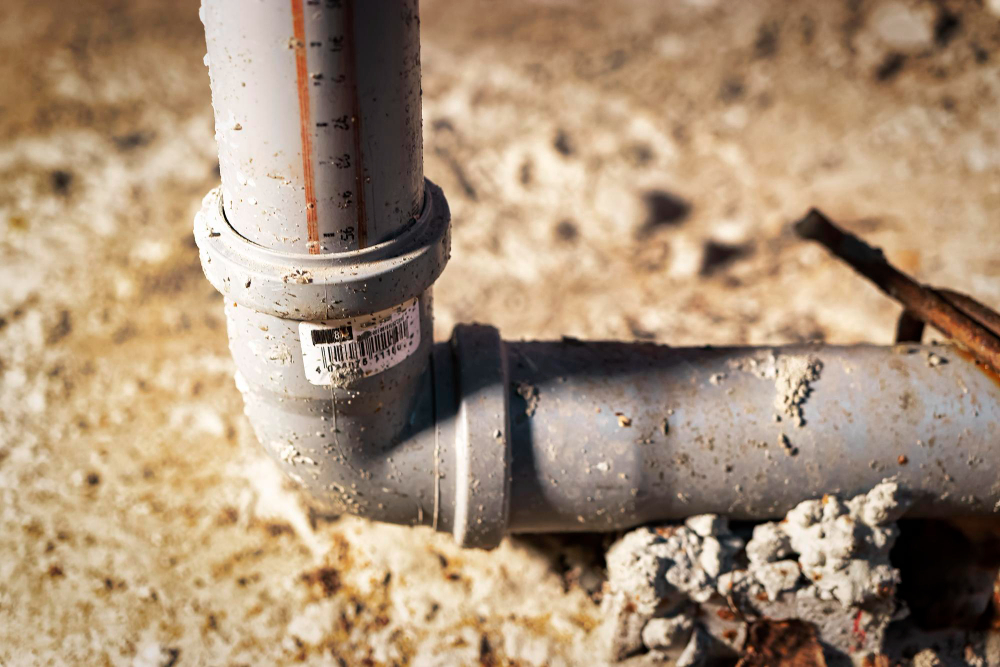
Homes built before the 1970s may have clay or cast iron sewer lines. Both materials were standard for their era, but neither holds up well over multiple decades in challenging soil. Clay pipes are brittle and crack under ground pressure. Cast iron corrodes from the inside out, especially when exposed to acidic wastewater and the hydrogen sulfide gas that naturally forms in sewer systems.
Homes built from the late 1970s through the 1990s are more likely to have ABS or PVC plastic lines, which resist corrosion and handle ground movement better than clay or iron. But even plastic pipes can fail at the joints, especially in areas where the soil shifts significantly between seasons.
Here is how the most common residential sewer pipe materials compare:
- Clay pipes typically last 50 to 60 years but become increasingly brittle and prone to root intrusion as they age
- Cast iron pipes last 50 to 75 years under ideal conditions, but internal corrosion can reduce that significantly in wet or acidic environments
- ABS and PVC plastic pipes can last 50 years or more, though joint separations from soil movement are the primary failure point
- Orangeburg pipes, a tar-paper product used in some mid-century construction, deteriorate rapidly and rarely last more than 30 to 40 years
If your home was built before 1990 and the sewer line has never been inspected or replaced, the pipe material alone puts you in the zone where problems become increasingly likely.
How freeze-thaw cycles damage underground pipes
The Mat-Su Valley's climate is one of the hardest on underground infrastructure anywhere in the country. Winter temperatures regularly drop well below zero, and the frost line can penetrate several feet into the ground. When temperatures swing back above freezing during shoulder seasons or warm spells, the cycle begins again.
Water in the soil expands as it freezes, pushing the ground upward and outward around buried pipes. When it thaws, the soil settles back, but not always to its original position. Over years and decades, this repeated heaving and settling shifts pipe segments, separates joints, and creates the offsets and bellies that cause slow drainage and eventual blockages.
The University of Alaska Fairbanks Cooperative Extension Service notes that even properly installed drain pipes can freeze when conditions align, particularly at the first elbow below the soil surface and in areas where vehicle traffic compacts the ground above the line. In the Mat-Su Valley, where many homes sit on lots with long driveways or gravel pads, that compaction effect is common and can push frost deeper into the soil directly over the sewer line.
The winter of 2025-2026 demonstrated just how severe this can get. A 43-day cold snap, the third longest stretch of below-normal temperatures in Southcentral Alaska's recorded history, froze hundreds of water and sewer lines across the Valley, according to Alaska Public Media. Frost penetrated 10 feet deep in some areas. For older pipes that were already weakened by years of wear, that kind of event can be the tipping point from slow degradation to outright failure.
Root intrusion and soil conditions
Tree roots are one of the most common causes of sewer line damage nationwide, and the Mat-Su Valley is no exception. Roots naturally seek out moisture, and a sewer line, even one that is only slightly cracked, provides exactly the kind of warm, wet environment that roots grow toward.
Once a root finds its way into a joint or a crack, it expands inside the pipe, catching debris and building a blockage over time. What starts as a slightly slow drain eventually becomes a full backup. In older clay pipes, where joints are sealed with mortar rather than rubber gaskets, root intrusion is especially common because the joints degrade faster and create easier entry points.
The Valley's soil composition adds another layer of stress. Depending on where your home sits, you may be dealing with glacial till, silty loam, or high-clay soils, all of which behave differently during freeze-thaw cycles and hold different amounts of moisture. High-clay soils in particular expand and contract significantly with moisture changes, putting lateral pressure on buried pipes that compounds the effects of frost heave.
Regular drain cleaning can clear root intrusions temporarily, but if the roots keep coming back, that is a sign the pipe itself needs repair or replacement. Cutting roots without addressing the entry point is a recurring expense that does not solve the underlying problem.
The warning signs that your sewer line is failing
Sewer lines rarely fail all at once. The process usually unfolds over months or years, with symptoms that start mild and gradually intensify. The earlier you catch those symptoms, the more repair options you have and the less the fix will cost.
Most homeowners do not connect the dots between a slow drain in the bathroom and a failing sewer line in the yard. But when multiple fixtures in the house start draining slowly at the same time, or when the problems keep coming back after snaking, the issue is almost always in the main line rather than in individual fixture drains.
Drainage problems that point to main line issues
A single slow drain is usually a localized clog, something stuck in the P-trap or in the branch line serving that fixture. But when you start seeing drainage problems in multiple parts of the house simultaneously, the main sewer line is the most likely culprit.
Watch for these patterns:
- Multiple drains slowing down at the same time, especially on the lowest level of the house
- Toilets that gurgle or bubble when you run water in a nearby sink
- Water backing up into a floor drain, bathtub, or shower when a toilet is flushed
- A persistent sewer odor inside the house or near the foundation
- Sewage or gray water pooling in the yard, particularly along the path of the sewer line to the street or septic tank
Any one of these symptoms warrants a closer look. Two or more happening at the same time strongly suggest a main line problem that will not resolve on its own.
Visible damage in the yard
Your lawn can tell you a lot about what is happening underground. A sewer line that has cracked or separated leaks wastewater into the surrounding soil, and that moisture and organic content produce visible changes at the surface.
An unusually green or lush patch of grass over the sewer line path is a classic sign. The grass is essentially being fertilized by leaking sewage. Soggy spots, standing water, or sunken areas in the yard along the line route are even more direct indicators. In the Mat-Su Valley, where spring breakup already saturates the ground, these signs can be harder to spot during thaw season but become more obvious once the ground dries out in late spring and summer.
If you notice any depression or sinking along the line path, that may indicate a section of pipe has collapsed, allowing the soil above it to settle. That kind of damage usually requires excavation and replacement rather than a simple repair.
When recurring clogs signal something deeper
Every homeowner deals with a clogged drain from time to time. What separates a normal clog from a warning sign is frequency. If you are snaking the same line every few months, or if backups keep returning after professional cleaning, the line itself is compromised.
Recurring clogs in the main line often point to one of three conditions:
- A belly or sag in the pipe where waste and water pool instead of flowing through, creating a chronic low spot that catches debris
- Root intrusion that keeps growing back because the pipe joint or crack providing the entry point has not been sealed or replaced
- An offset joint where two pipe sections have shifted out of alignment, creating a lip that catches solid waste and builds blockages over time
A sewer camera inspection is the only way to definitively diagnose which condition you are dealing with. The camera shows the exact location, the type of damage, and the extent of the problem, which determines whether a targeted repair or a full line replacement is the right approach.
How sewer line problems affect your property value and ability to sell
The Mat-Su Valley's real estate market is competitive and active. With more than 60 percent of Alaska's new home construction happening in the borough, according to the Alaska Department of Labor, buyers have options. That means any red flag in a home inspection, especially one that signals a potentially expensive underground repair, gives buyers leverage to renegotiate or walk away entirely.
Sewer line issues are one of the most common deal-breakers in residential real estate, and they are one of the most expensive surprises for sellers who did not know the problem existed.
What buyers and inspectors look for
Standard home inspections do not typically include a sewer scope. But increasingly, buyers in the Mat-Su Valley and across Alaska are requesting one as a separate add-on, especially when the home is more than 20 years old. A sewer camera inspection is a relatively small expense compared to the cost of a surprise repair after closing.
When a sewer scope reveals problems, the findings go directly into the negotiation. Buyers and their agents use the inspection results to do one of three things:
- Request that the seller repair or replace the line before closing
- Negotiate a price reduction equal to the estimated cost of the repair
- Walk away from the deal entirely if the damage is severe enough
Sellers who know about their sewer line condition before listing are in a much stronger position. A clean inspection report reassures buyers and removes a common objection. A known problem that has already been repaired eliminates the leverage a buyer would otherwise have to negotiate down.
The financial impact of unresolved sewer damage
A failing sewer line does not just cost money to fix. It reduces the appraised value of the property and limits the pool of buyers willing to make an offer. Appraisers evaluate the entire plumbing system during a property assessment, and documented sewer problems are reflected in the appraisal.
The cost to repair or replace a residential sewer line varies widely depending on the method, the length of the run, and the depth of the pipe. Factors that affect the final cost include:
- The pipe material and the extent of the damage
- Whether the repair can be done with trenchless methods or requires full excavation
- The depth of the line, which in the Mat-Su Valley can be deeper than average due to frost line considerations
- Restoration of landscaping, driveways, or other surface features disturbed during excavation
For homeowners planning to sell within the next few years, addressing a sewer line problem now, before it surfaces during a buyer's inspection, is almost always the more cost-effective option. A pre-listing repair protects your asking price and removes one of the most common reasons deals fall through.
Protecting your investment in a growing market
The Mat-Su Valley's continued population growth means demand for housing remains strong. Homes in good condition sell, and they sell at fair prices. But a home with a known or suspected sewer issue sits on the market longer, attracts lower offers, and costs the seller more in the long run than the repair would have.
Think of your sewer line the way you think of your roof. Both are major infrastructure components that buyers evaluate carefully. A roof with five good years left is priced differently than one that needs immediate replacement, and the same logic applies to the line under your yard. A recent sewer inspection or a documented repair gives buyers confidence and protects the equity you have built.
What repair and replacement options are available
When a sewer line problem is confirmed, the next step is choosing the right repair method. The right approach depends on what the camera inspection reveals, specifically the type of damage, the location, the pipe material, and how much of the line is affected.
Not every sewer problem requires digging up the entire yard. Modern repair methods have made it possible to fix many issues with minimal excavation, which saves both time and money.
Trenchless repair methods
Trenchless sewer repair has become the standard for many residential jobs because it avoids the cost and disruption of full excavation. The two most common trenchless methods are cured-in-place pipe lining and pipe bursting.
Cured-in-place pipe lining, often called CIPP, involves inserting a flexible liner coated with epoxy resin into the existing pipe. The liner is inflated against the pipe walls and allowed to cure, creating a smooth, jointless new pipe inside the old one. This method works well for pipes with cracks, root intrusion damage, or joint separations, as long as the original pipe has not collapsed or lost its structural shape.
Pipe bursting is used when the old pipe needs to be replaced entirely. A bursting head is pulled through the existing pipe, breaking it apart while simultaneously pulling a new pipe into place behind it. This method requires access pits at each end of the line but avoids trenching the entire length.
Both methods preserve your landscaping, driveway, and any other surface features along the sewer line route. For Mat-Su Valley homes where the line runs under a gravel driveway or a maintained yard, the savings in restoration costs alone can be significant.
Traditional excavation and replacement
In some cases, trenchless methods are not an option. If the pipe has collapsed, if the line has a severe belly that changes the grade, or if the damage is too extensive for a liner, traditional excavation is the way to go.
Excavation involves trenching along the path of the sewer line, removing the damaged pipe, and installing new pipe, typically PVC, with proper slope and bedding. It is more disruptive and more expensive than trenchless methods, but it provides a completely new line with a lifespan of 50 years or more.
In the Mat-Su Valley, excavation depth is a key cost factor. Sewer lines in cold climates need to be buried below the frost line to prevent freezing, and the frost line in Southcentral Alaska can be several feet deeper than in most of the Lower 48. That additional depth adds labor, equipment time, and backfill cost to the project.
If repiping is on the table, make sure the contractor pulls the necessary permits and follows local code requirements for depth, grade, and backfill materials. A properly installed replacement line, done to code and documented, adds value to the home and provides decades of reliable service.
Choosing between repair and replacement
The decision between repairing a section of line and replacing the whole thing depends on the overall condition of the pipe, not just the section that is currently causing problems.
A useful way to think about it:
- If the camera inspection shows a single localized problem, such as one root-infiltrated joint or one cracked section, and the rest of the line looks sound, a targeted repair makes sense
- If the inspection shows multiple problem areas along the length of the line, or if the pipe material is known to have a limited remaining life, a full replacement is the more cost-effective long-term choice
- If the line has already had repeated repairs or recurring clogs in different sections, replacement avoids the cycle of patching a system that is fundamentally at end of life
Your plumber should walk you through the camera footage, explain what each finding means, and present repair versus replacement options with honest cost comparisons. The goal is a solution that lasts, not the cheapest fix that gets you through the next six months.
When to schedule a professional sewer inspection
The best time to learn about your sewer line's condition is before it becomes an emergency. A camera inspection is a relatively low-cost, noninvasive way to see exactly what is happening inside the pipe, and it gives you the information you need to make a plan rather than reacting to a crisis.
For Mat-Su Valley homeowners, there are several situations where scheduling an inspection should be a priority.
Proactive timing for current homeowners
If your home is more than 20 years old and the sewer line has never been inspected, now is the right time. You do not need to wait for a symptom. The pipe is in the age range where material degradation, joint wear, and root intrusion become increasingly common, and a camera inspection gives you a baseline for future monitoring.
Annual inspection is not necessary for most homes, but checking the line every five to seven years is a reasonable maintenance interval for older systems. If you have had even one backup or recurring slow drain in the main line, move that inspection up.
The best time of year for a sewer inspection in the Mat-Su Valley is late spring or summer, after the ground has fully thawed and any seasonal water table fluctuations have stabilized. Inspecting during or immediately after breakup can give a misleading picture, since groundwater infiltration during thaw season can make a line look worse than it is under normal conditions.
Before buying or selling a home
If you are buying a home in the Mat-Su Valley, request a sewer scope as part of your inspection contingency. It is not included in a standard home inspection, but most plumbing companies offer it as a standalone service. The cost is a fraction of what a surprise repair would run after closing.
If you are selling, consider a pre-listing sewer inspection. A clean report is a selling point. A problem you already know about and have addressed strengthens your position and avoids the last-minute renegotiation that sewer findings often trigger.
For homes on well and septic systems, the inspection is even more important. Septic lines and connections age the same way municipal sewer laterals do, and a failure in a septic line can create environmental contamination that triggers additional regulatory requirements.
What to expect from the inspection process
A professional sewer camera inspection typically takes about an hour. The technician inserts a flexible, waterproof camera into the sewer cleanout or a drain opening and feeds it through the length of the line, recording video as it goes.
The camera reveals the pipe material, the condition of the interior walls, the state of the joints, and any obstructions, root intrusions, cracks, bellies, or offsets along the way. After the inspection, the technician provides a report with findings and, if problems are present, recommended next steps.
A good inspection report should include:
- Pipe material and estimated age
- Location and description of each defect or area of concern
- A severity assessment for each finding
- Recommended repair or replacement options
- A clear video recording you can keep for your records or share with a buyer, seller, or insurance company
If the report comes back clean, you have peace of mind and a documented record that your sewer system is in good condition. If it reveals problems, you have the information you need to get accurate repair estimates and make a smart decision about next steps. Either way, you are in a stronger position than you would be without the inspection.
Conclusion
Aging sewer lines are one of the most overlooked risks facing Mat-Su Valley homeowners. The combination of older pipe materials, Alaska's punishing freeze-thaw cycles, and decades of root intrusion and soil movement means that many homes in Wasilla, Palmer, and the surrounding area are sitting on sewer infrastructure that is approaching or past its expected lifespan. The longer these lines go without inspection, the higher the risk of backups, property damage, and a reduced ability to sell the home at a fair price.
The good news is that catching sewer line problems early opens up more repair options, lower costs, and less disruption. A camera inspection gives you a clear picture of what is happening underground, and modern repair methods make it possible to address many issues without tearing up the yard. Whether you are a longtime homeowner maintaining your property or a buyer evaluating a purchase, knowing the condition of the sewer line is one of the smartest investments you can make.
If your home's sewer line has not been inspected in recent years, or if you are noticing signs like slow drains, recurring backups, or unusual odors, schedule a professional assessment before the problem grows. Prospector Plumbing and Heating serves the Mat-Su Valley and can help you understand your sewer line's condition and your options for keeping it in working order.
Licensed & insured Alaska plumbing and heating. Locally owned and operated! We're the happiest plumbers in Alaska and go the extra mile on every job!
Fairbanks
135 32nd Avenue
Fairbanks AK 99701
North Pole
North Pole, AK 99705
Mat-Su Valley
1712 N Williwaw Way
#1 Wasilla, AK 99654
Eagle River
AK 99577