
Furnace tune up benefits in North Pole for improved efficiency and lower costs
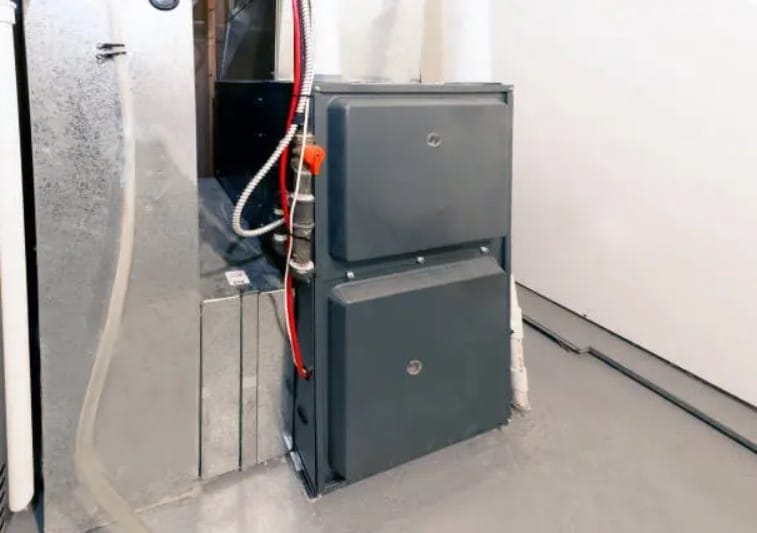
Your furnace is not a seasonal appliance in North Pole. It is a survival system. From September through April, and often into May, it runs nearly every day, sometimes cycling around the clock during the deepest cold stretches. That level of demand pushes every component harder and faster than manufacturers test for, which is why a furnace that never gets serviced ages in Interior Alaska years the way it would in decades somewhere milder. Understanding the furnace tune up benefits in North Pole is not about checking a box on a maintenance list. It is about protecting the one piece of equipment your household cannot function without.
The U.S. Department of Energy notes that a furnace's efficiency is measured by its annual fuel utilization efficiency, or AFUE, which represents how much of the fuel consumed actually becomes heat for the home. A furnace rated at 90 percent AFUE converts 90 percent of its fuel into usable heat and loses the other 10 percent through the exhaust. But that is the rating when the furnace is clean, properly adjusted, and running the way it was designed to. Without maintenance, real-world efficiency drops steadily as burners get dirty, heat exchangers collect soot, filters clog, and electrical components degrade.
ENERGY STAR compares a furnace tune-up to a car tune-up: both improve mileage, reduce wear, and prevent the kind of breakdown that leaves you stranded. In North Pole, where being stranded means being without heat in a climate that can reach 40 below, the comparison carries real weight. A furnace failure in January is not an inconvenience. It is an emergency that can freeze pipes, damage your home, and put your family at risk within hours.
In this article, you will learn about:
- How a tune-up directly reduces your heating bills and why the savings are larger in Interior Alaska
- The safety checks that protect your family from carbon monoxide and fire hazards
- What a thorough furnace tune-up actually includes, step by step
- Why timing the service before the heating season matters more than you think
- The long-term payoff: fewer repairs, longer equipment life, and a furnace that performs when it counts
Keep reading to see exactly what a professional tune-up does for your furnace and why it is the single best return on investment in your home's heating system.
How a tune-up cuts your heating bills, and why the savings hit harder in Alaska
Heating costs in Interior Alaska are not like heating costs almost anywhere else. The combination of extreme cold, long winters, and above-average energy prices means that every percentage point of lost furnace efficiency translates into real dollars on your bill. A tune-up is the most direct way to recover that efficiency, and the payoff is proportionally larger here than it would be in a moderate climate where the furnace only runs a few months a year.
The math is simple but the numbers add up fast. A furnace that has lost five percent of its operating efficiency because of dirty burners, a clogged filter, and misadjusted gas pressure is burning five percent more fuel for the same heat output. Over an eight-month heating season, that wasted fuel represents a meaningful chunk of your annual energy spending.
Dirty burners and heat exchangers cost you more than you realize
The burner is where fuel meets air and combustion produces heat. When the burner is clean and properly adjusted, the flame burns evenly and transfers heat efficiently to the heat exchanger. When the burner is coated with dust, soot, or debris, combustion becomes less complete. The furnace produces less heat per unit of fuel, runs longer cycles to reach the thermostat setting, and consumes more energy in the process.
The heat exchanger is equally important. This component absorbs heat from the combustion gases and transfers it to the air that circulates through your home. A layer of soot or scale on the heat exchanger acts as insulation, blocking heat transfer the same way sediment in a water heater blocks heat from reaching the water. The furnace compensates by running longer, which increases fuel consumption and wear on every downstream component.
During a tune-up, a technician cleans both the burner and the heat exchanger surfaces, restoring the direct contact between combustion heat and the metal that carries it into your ductwork. The efficiency gain from this single step can be noticeable on the next utility bill.
Filter neglect is the most expensive bad habit in home heating
The air filter is the most impactful maintenance item a homeowner can manage between professional service visits. A clean filter allows air to flow freely through the system, maintaining the volume and speed the furnace needs to distribute heat efficiently. A dirty filter restricts that airflow, forcing the blower motor to work harder, reducing heat distribution, and causing the furnace to cycle more frequently.
The DOE recommends checking your filter monthly and replacing it when it is visibly dirty. In North Pole, where homes are sealed tight against the cold and the furnace runs for the majority of the year, filters load up faster than they would in a milder climate. Pet hair, dust from dry interior air, and particles from wood stoves or supplemental heating sources all accelerate the process.
A clogged filter does more than waste energy. It can cause the heat exchanger to overheat, the blower motor to burn out, and the furnace to short-cycle, all of which lead to repairs that cost far more than a pack of replacement filters. Checking and changing the filter is a five-minute task that pays for itself every month of the heating season.
Alaska's energy costs amplify every efficiency loss
Alaska's residential electricity rates are among the highest in the nation, averaging around 25 cents per kilowatt-hour according to EIA data. For homes that heat with natural gas through the Interior Gas Utility, fuel costs are more stable but still represent a significant portion of household expenses during the heating months. For homes still on heating oil, price volatility adds another layer of cost pressure.
Whatever fuel your furnace burns, the principle is the same. Efficiency losses that might add a few dollars a month to a heating bill in a temperate climate add significantly more in a market where the furnace runs eight or nine months a year and the cost per unit of energy is above the national average. A tune-up that recovers even a modest percentage of lost efficiency compounds into meaningful savings over the course of a full North Pole winter.
The safety checks your family depends on but never sees
Efficiency and cost savings get the most attention when people talk about furnace tune-ups, but the safety component is arguably more important. A furnace that is wasting energy is costing you money. A furnace that is producing carbon monoxide or operating with a cracked heat exchanger is putting your family at risk.
These hazards develop silently. You cannot see carbon monoxide. You cannot smell a hairline crack in a heat exchanger. And in a North Pole winter, where the house is buttoned up against the cold and fresh air exchange is minimal, even a small CO leak can accumulate to dangerous concentrations.
Carbon monoxide: the invisible threat inside your heating system
Carbon monoxide is produced whenever a fuel burns incompletely. A properly functioning furnace vents its combustion gases safely outside through the flue. But when burners are dirty, the heat exchanger is cracked, or the venting is partially blocked, CO can enter the living space instead.
The U.S. Consumer Product Safety Commission reports that more than 200 people in the United States die every year from carbon monoxide produced by non-automotive consumer products, including malfunctioning furnaces, water heaters, and other fuel-burning appliances. The initial symptoms of CO poisoning, headache, dizziness, nausea, and fatigue, mimic the flu and are easy to dismiss, especially in winter when actual flu is circulating.
During a furnace tune-up, the technician tests combustion gases to verify that the furnace is producing CO within safe limits and that all exhaust gases are being properly vented to the outside. This is not something a homeowner can check without specialized equipment, and it is one of the most important reasons the annual service exists.
Heat exchanger inspection: catching cracks before they become dangerous
The heat exchanger is a sealed metal chamber that separates the combustion gases from the air that circulates through your home. If the heat exchanger cracks, combustion byproducts, including carbon monoxide, can leak into the airstream that the blower distributes through every room.
Heat exchangers crack for several reasons, and most of them are accelerated by the conditions in Interior Alaska.
- Thermal stress from extreme temperature cycling, where the exchanger heats to high temperatures during operation and cools rapidly when the furnace shuts off
- Corrosion from acidic condensate in high-efficiency condensing furnaces
- Overheating caused by restricted airflow from a dirty filter or a failing blower motor
- Age and cumulative metal fatigue, which compounds with every heating season
A technician inspects the heat exchanger during every tune-up, looking for visible cracks, corrosion, discoloration, and signs of stress. In some cases, specialized equipment is used to detect cracks that are not visible to the naked eye. A cracked heat exchanger is not a repair. It is a replacement, and catching it during a routine service is infinitely better than discovering it through a CO alarm or, worse, through symptoms.
Gas connections, venting, and electrical safety
Beyond the heat exchanger, a furnace tune-up includes inspection of every component that could create a safety hazard if it fails. Gas line connections are checked for tightness and tested for leaks. The flue and venting are inspected for blockages, corrosion, or disconnections that could allow exhaust gases to back-draft into the home. Electrical connections are tightened and tested for proper voltage and current draw.
The CPSC recommends having all fuel-burning appliances professionally inspected at least once a year. In a North Pole home where the furnace runs for the vast majority of the year and where tight construction limits natural ventilation, this annual check is the primary line of defense between your family and the hazards that develop slowly inside a sealed combustion system.
What a thorough furnace tune-up actually includes
Not all tune-ups are created equal. A quick filter change and a visual once-over is not the same as a comprehensive service that tests, cleans, adjusts, and verifies every component. Knowing what a proper tune-up looks like helps you evaluate whether your technician is doing the job thoroughly and ensures you are getting the full benefit of the service.
The ENERGY STAR maintenance checklist outlines the tasks a contractor should perform during a heating system tune-up. Here is what each one does and why it matters for a furnace running under North Pole conditions.
The inspection and testing phase
Before any cleaning or adjustment, a technician evaluates the current state of the system. This diagnostic phase determines what needs attention and whether any components are approaching failure.
A complete inspection covers:
- Thermostat calibration and operation, confirming the furnace responds correctly to temperature calls and cycles appropriately
- Heat exchanger inspection for cracks, corrosion, and signs of thermal stress
- Combustion gas analysis, measuring CO levels and verifying safe operation
- Flue and venting inspection for obstructions, corrosion, or improper connections
- Electrical connection testing, including voltage and current measurements on the blower motor and ignition components
- Gas pressure verification at the manifold to confirm the furnace is receiving the correct fuel supply
- Safety control testing, including the high-limit switch, flame sensor, and pressure switches that protect against unsafe operating conditions
Each of these tests produces data that tells the technician how the furnace is performing and whether any component is outside its normal operating range. Catching a marginal flame sensor or a weakening blower capacitor during a fall tune-up prevents the midwinter failure those components are headed toward.
The cleaning and adjustment phase
After testing, the technician cleans and adjusts the components that affect efficiency, airflow, and combustion quality.
Key cleaning and adjustment tasks include:
- Cleaning or replacing the air filter
- Cleaning the burner assembly and inspecting the flame pattern for uniformity and color
- Cleaning the heat exchanger surfaces to remove soot and scale buildup
- Cleaning the blower wheel and housing, which accumulate dust and reduce airflow over time
- Clearing the condensate drain on high-efficiency furnaces, preventing blockages that can shut the system down
- Lubricating moving parts where applicable, reducing friction and motor strain
- Adjusting gas pressure and air-to-fuel ratio for optimal combustion
After cleaning and adjustments, the technician runs the furnace through a complete heating cycle to verify that all components are working together and that the system is operating at its rated performance level.
The report and recommendations
A good tune-up ends with a clear summary of what was found, what was done, and what, if anything, needs follow-up. The technician should explain any findings that affect safety, efficiency, or reliability, and provide a recommendation with a timeline for any repairs or component replacements.
If the furnace received a clean bill of health, you have documentation that the system is ready for the heating season. If the technician identified a developing issue, you have the advantage of scheduling the repair at your convenience, with time to compare options and budget, rather than dealing with it as an emergency at 2 a.m. on the coldest night of the year.
Why scheduling the tune-up before the heating season makes all the difference
Timing a furnace tune-up is not complicated, but getting it right matters more than most homeowners realize. A service visit in late August or September gives you every advantage. Waiting until October or later trades those advantages for unnecessary risk.
The fall rush is real, and it works against you
Every year, the same pattern plays out across Interior Alaska. Homeowners turn on their furnaces for the first time in September or early October, discover a problem, and call for service. Within weeks, every HVAC company in the area is booked out, and what would have been a routine tune-up in August becomes a delayed repair that leaves the home under-heated while parts are ordered and schedules are juggled.
Scheduling your tune-up in August or early September, before the heating season starts, means shorter wait times, flexible scheduling, and the ability to address any findings before you actually need the furnace to keep your home warm. It also means the technician has time to order parts if something needs replacing, rather than scrambling for availability during peak season.
The first cold night is the worst time to discover a problem
A furnace that sat idle through the summer can develop issues during dormancy that only reveal themselves when the system fires up under load. Capacitors weaken from temperature cycling. Ignition components oxidize. Dust settles on flame sensors and creates intermittent failures. A mouse builds a nest in the combustion air intake.
A tune-up catches all of these conditions in a controlled setting where the technician can diagnose, clean, and test everything before you need the system to perform at full capacity. Discovering the same issues on the first night the temperature drops below zero puts you in reactive mode, which is always more stressful, more inconvenient, and more expensive.
Connecting the tune-up to your broader maintenance calendar
For North Pole homeowners who also schedule annual plumbing inspections, water heater service, and pipe insulation checks, the late-summer window is ideal for combining everything into a single preparation push. Your furnace, your water heater, your pipes, and your plumbing connections all benefit from attention before the freeze, and a company that handles both heating and plumbing can often address the full scope in fewer visits.
The long-term payoff: fewer repairs, longer life, and a furnace you can count on
A single tune-up delivers immediate benefits in efficiency, safety, and peace of mind. But the real value of annual maintenance shows up over years, in the form of a furnace that lasts longer, breaks down less often, and performs consistently through the kind of winters that destroy neglected equipment.
Fewer emergency repairs and the savings that come with them
Most furnace breakdowns are the end stage of a process that started with a small, fixable condition. A flame sensor coated in oxidation stops detecting the burner flame and shuts the system down. A blower capacitor that has been weakening for months finally fails. A cracked igniter that was marginal during the last heating season snaps under thermal stress during the first cold stretch of the new one.
A tune-up identifies these conditions while they are still minor. Replacing a flame sensor, a capacitor, or an igniter during a scheduled service visit is a straightforward, affordable job. Replacing the same components as an emergency call at midnight during a cold snap includes after-hours labor rates, expedited parts sourcing, and the stress of being without heat while the repair is completed.
Over the life of a furnace, the cumulative difference between planned maintenance and reactive repairs is measured in thousands of dollars.
A furnace that lasts 20 years instead of 12
The DOE notes that furnaces and boilers can last 15 to 30 years depending on the equipment quality and how well they are maintained. In Interior Alaska, the upper end of that range is only achievable with consistent annual service. The extreme runtime, the thermal cycling, and the hard water and dust conditions that affect ancillary components all shorten the lifespan of a neglected furnace compared to one that receives annual attention.
Every tune-up is an investment in the next year of operation, and every year the furnace runs reliably is a year you are not spending on a $5,000 to $10,000 replacement. Spread the cost of annual tune-ups across a 20-year furnace life, and the math is overwhelmingly in favor of maintenance.
Warranty protection that actually holds up
Most furnace manufacturers include language in their warranties requiring annual professional maintenance. Skip the tune-up and a warranty claim for a failed heat exchanger or a cracked burner assembly can be denied on the grounds that the required maintenance was not performed. The documentation from your annual service visit, including the technician's report and the date of service, is your proof of compliance.
In a market where furnace replacement costs are high and parts availability can be limited, keeping your warranty intact through documented maintenance is a practical consideration that pays off if you ever need to make a claim.
Conclusion
A furnace tune-up in North Pole is not an optional maintenance task. It is the foundation of a heating system that performs safely, efficiently, and reliably through the most demanding winters in the country. The benefits touch every aspect of your home's comfort and your household budget, from lower monthly heating bills and fewer emergency repairs to a furnace that lasts years longer and operates within safe carbon monoxide limits every day it runs.
The service takes about an hour. The cost is a fraction of what a single emergency repair would run. And the peace of mind it provides, knowing that the system keeping your family warm has been inspected, cleaned, tested, and confirmed ready for the season, is worth more than any line item on the invoice.
If your furnace has not been professionally serviced in the past year, schedule the tune-up now, before the heating season starts and the fall rush fills every appointment slot in the area. Prospector Plumbing and Heating serves the North Pole and Fairbanks area and can get your furnace inspected, tuned, and ready for whatever this winter brings.
Licensed & insured Alaska plumbing and heating. Locally owned and operated! We're the happiest plumbers in Alaska and go the extra mile on every job!
Fairbanks
135 32nd Avenue
Fairbanks AK 99701
North Pole
North Pole, AK 99705
Mat-Su Valley
1712 N Williwaw Way
#1 Wasilla, AK 99654
Eagle River
AK 99577