

Early sewer line damage signs every homeowner should know in Fairbanks
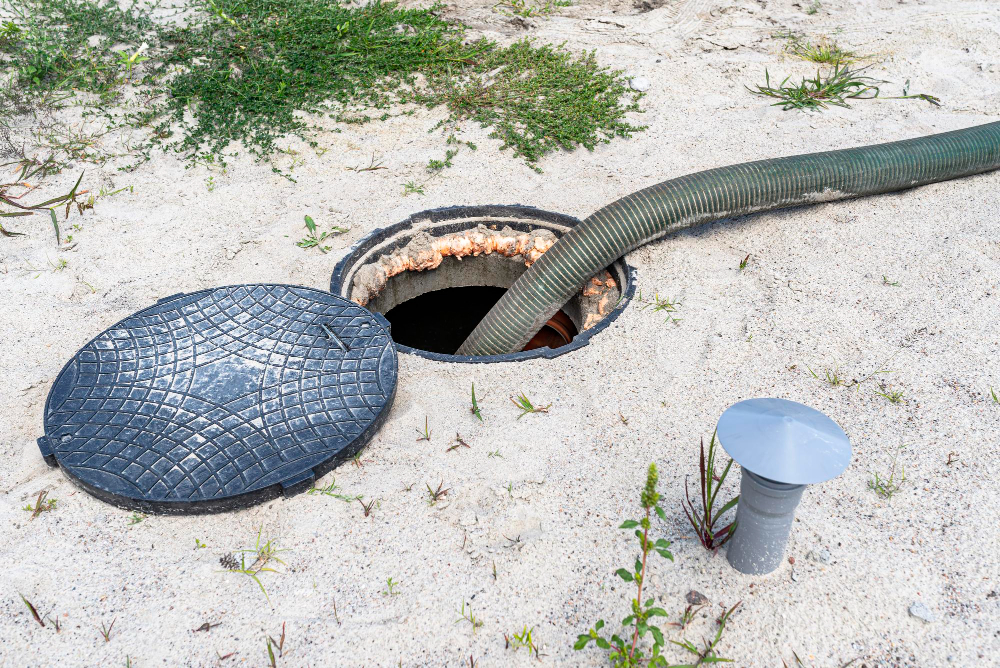
The sewer lateral running from your house to the city main is one of the most consequential pipes in your home and one of the least visible. In Fairbanks, it also faces conditions that accelerate failure in ways that most national plumbing guides do not account for. Learning to recognize early sewer line damage signs in Fairbanks means catching a developing problem when it still costs a few hundred dollars to address, rather than after it has backed sewage up into the basement.Sewer line failures rarely happen without warning. The line almost always gives signals weeks or months before a full backup occurs, and those signals are readable by any homeowner who knows what to look for. The challenge is that the signals are easy to rationalize as minor annoyances rather than what they actually are: a lateral line that is working at reduced capacity and getting worse.The ASCE 2025 Infrastructure Report Card gave U.S. wastewater infrastructure a D-plus rating, citing chronic underfunding and aging pipe networks, with the average sewer pipe now carrying roughly 45 years of service. In Fairbanks, where frost heave moves buried lines out of position every winter and many homes still have original laterals from the 1960s and 1970s, that national picture is a conservative description of local conditions.This article covers the specific signs that a Fairbanks sewer lateral is under stress, what causes those signs, and when each one requires a professional response rather than a monitoring approach.In this article, you will learn about:
- Why Fairbanks conditions accelerate sewer line wear
- The drain and odor signs that point to a developing lateral problem
- Yard and foundation signs visible from outside the house
- How to tell the difference between a local clog and a failing line
- When a camera inspection is the only way to know for certain
Keep reading to understand what your sewer system is telling you before the situation moves from a repair to an emergency.
Why Fairbanks sewer lines fail earlier than national averages suggest
Most plumbing guides treat sewer line failure as something that happens to old pipes over many decades. In Fairbanks, the failure timeline is compressed by two forces that operate on buried lines every single year: frost heave and the age of the housing stock.Frost heave, the upward displacement of soil during freezing caused by ice lens formation, moves buried pipe sections out of their installed position each winter. A lateral that was set at the correct slope and depth at installation may now have sections that run shallower than required, have lost the pitch necessary for solids to flow without accumulating, or have joint separations where sections have been pushed apart by differential ground movement. None of these changes are visible from the surface. They show up through how the drain system behaves.The housing stock compounds the problem. A large portion of Fairbanks homes were built between the late 1950s and the 1980s, many with original clay tile or cast-iron lateral lines. Clay tile pipe is highly susceptible to root intrusion because its bell-and-spigot joints are not sealed against root penetration. Cast-iron pipe from that era is now well past its expected service life and is showing corrosion and joint degradation throughout the city. Neither material was designed to survive the freeze-thaw cycling that Fairbanks laterals have experienced over 50 to 60 years of use.
Root intrusion as the primary failure driver in Fairbanks
Root intrusion is the single most common cause of sewer lateral damage in Fairbanks, driven by the age of the housing stock and the density of mature trees throughout the city's established neighborhoods. Birch and spruce roots grow aggressively toward moisture sources, and the consistent warmth and humidity inside a sewer lateral make it an attractive target for root systems that are otherwise dealing with Fairbanks's cold, dry soils.Roots enter laterals through the bell-and-spigot joints of older clay and cast-iron pipe. Once inside, they do not stay small. A root that enters as a hair-thin tendril expands over seasons into a mass that lines the interior of the pipe, catches passing solids, and eventually reduces the effective diameter of the line to the point where flow stops entirely.The stages of root intrusion before full blockage include:
- Early stage: roots present at joints but not yet restricting flow, detectable by camera only
- Mid stage: root mass forming, slow drains on fixtures connected to the affected lateral
- Late stage: significant restriction causing regular slow drains and occasional backups under heavy water load
- Failure: complete blockage producing full sewage backup
A hydro jetting visit that clears a root mass without a follow-up camera inspection leaves the homeowner without information about whether root intrusion is at the early, mid, or late stage. That information determines whether the line needs cleaning on a maintenance schedule or whether a structural repair is necessary.
Frost heave effects that compound over decades
Each freeze-thaw cycle applies force to a buried lateral in unpredictable ways depending on soil moisture, sun exposure, and the proximity of structures that change the frost profile of the surrounding ground. Over 30 to 50 freeze-thaw seasons, the cumulative effect on a lateral's position and joint integrity can be significant.A joint that has been displaced even half an inch from its original position no longer maintains a watertight seal. Soil, roots, and groundwater enter through the gap. The pipe section that was lifted by frost heave may now run at a shallower depth, making it more vulnerable to freezing during extreme cold snaps. A section that settled differently than its neighbor after the thaw may now create a low spot where solids accumulate.These structural effects are why sewer line inspections in Fairbanks often reveal problems that have no corresponding symptom yet. The damage is present. The symptom has not caught up to it.
Drain behavior signs of a developing lateral problem
The drain system in a Fairbanks home is the most direct reporter of lateral condition. Changes in how drains behave are the earliest and most consistent signals that something downstream of the fixture connections is not right.
Slow drains appearing in multiple fixtures simultaneously
A slow drain in one fixture is almost always a localized obstruction. A slow drain appearing in two or more fixtures at the same time, particularly fixtures on different branches of the system, points to a restriction in the main lateral that those fixtures share. The main lateral is the common downstream point for all of them, and a partial blockage there reduces flow from every fixture that drains into it.This distinction matters because the correct response is completely different. A localized slow drain can be addressed from the fixture itself. A main lateral restriction requires access at the cleanout and a camera inspection to establish what the obstruction actually is before deciding how to clear it.Signs that multiple simultaneous slow drains point to the lateral rather than individual fixture lines:
- Kitchen sink, bathroom sink, and tub all draining slowly in the same week with no single obvious cause
- Toilets flushing more slowly than usual across different bathrooms
- Floor drain in the basement clearing slowly after any water use upstairs
- Slow drains developing gradually over weeks rather than appearing suddenly after a single event
Gurgling sounds from toilets and floor drains
A gurgling or bubbling sound from a toilet when a sink drains, or from a floor drain when the washing machine empties, is one of the most reliable early signals that the main lateral has a developing restriction. The gurgling is air being forced backward through the system as water pushes against the partial blockage downstream.The specific combination of which fixture gurgles in response to which other fixture being used helps a technician locate the restriction. A toilet gurgling when the kitchen sink runs points to a restriction between the kitchen connection and the toilet connection on the main line. A floor drain gurgling when the washing machine empties points to a restriction downstream of the laundry connection.Note these observations before calling a technician:
- Which fixtures trigger gurgling in which other fixtures
- Whether the toilet water level rises briefly when another drain runs, indicating backpressure
- Whether the gurgling is consistent every time or intermittent
- Whether it has been getting more frequent over recent weeks
A sewer backup that has not happened yet is the natural endpoint of a lateral that has been gurgling for weeks without being addressed. Getting a camera run done while the system is still functional is substantially less disruptive and less expensive than doing it after the backup.
Toilets that drain sluggishly or require multiple flushes
A toilet that consistently needs more than one flush to clear solid waste, or that drains noticeably more slowly than it used to, is not necessarily a toilet problem. When the same toilet that worked normally for years begins behaving this way without any change to the fixture itself, the cause is often downstream. A lateral with a partial blockage creates enough backpressure during flushing to reduce the hydraulic force available to clear the bowl completely.This symptom is particularly easy to rationalize as a toilet that needs internal adjustment, and internal toilet components should be checked first. But when replacing the flapper, adjusting the float, and confirming adequate tank fill does not resolve the issue, the lateral is the next place to look. A plumbing inspection that specifically includes a pressure and flow check at the cleanout confirms whether the issue is the fixture or the line.
Odor signs that point to lateral damage
A functioning sewer lateral is sealed and odorless at the surface. When odors appear, either inside the house or in the yard above the lateral's path, the seal has been compromised somewhere.
Persistent sewer gas smell inside the house
A pervasive sewer gas odor that moves through lower-level rooms and does not trace to a single dry drain trap indicates that sewer gas is entering the living space through a compromised point in the lateral or through a venting problem that is pulling gas up through multiple drain traps. The EPA's sanitary sewer overflow guidance identifies sewer gas infiltration into occupied spaces as a health and safety concern requiring prompt professional evaluation.In Fairbanks, a cracked lateral or a joint separation caused by frost heave can allow sewer gas to migrate upward through the soil and enter the house through foundation penetrations or through the drain openings in lower-level fixtures. This type of gas entry is different from a dry trap and does not resolve when water is added to the trap.Signs that sewer gas is entering through a damaged lateral rather than a dry trap:
- Odor is present in rooms with no floor drain or rarely used fixtures
- Adding water to all traps does not resolve the smell
- Odor is stronger in the basement or on the lowest level of the house
- The smell intensifies after rain events, which can push gas through soil more aggressively
Sulfur odors in the yard
A sulfur or sewage smell in the yard, particularly along the path the lateral takes from the house to the street, is a direct indicator of a line that is releasing gas or sewage into the surrounding soil. This can come from a cracked pipe section, a failed joint, or a root intrusion point large enough to allow effluent to seep into the surrounding ground.This sign is more common in summer when bacterial activity in the soil is higher and gas production from any seeping sewage is elevated. A technician running a camera through the sewer line from the cleanout is the only way to identify exactly where along the lateral the release is occurring.Yard odors combined with any indoor drainage symptoms described above are a strong indication that the lateral needs professional evaluation before the next significant rain or heavy water use event pushes the situation to a full backup.
Yard and property signs visible from outside
Some of the most informative sewer line signals are not inside the house at all. The yard above the lateral's path carries visible evidence of line condition that homeowners often attribute to unrelated causes.
Unusually green or fast-growing grass above the lateral path
A strip of grass or other vegetation that is noticeably greener, thicker, or growing faster than surrounding areas, running in a line that corresponds to the path of the buried lateral, indicates that the line is releasing effluent into the surrounding soil. Sewage is a nutrient source for plant life, and a leaking lateral fertilizes the ground above it continuously.This sign is most visible in late spring and early summer when growth rate differences between well-nourished and normally-nourished grass are at their maximum. It is also visible in late summer when the strip remains green during dry periods while surrounding grass shows stress.The combination of this yard sign with any indoor drainage or odor symptom described above is a reliable indicator that the lateral is actively releasing effluent. An outdoor plumbing evaluation that includes a camera run confirms the finding before the next heavy use event triggers a backup.
Soft spots, depressions, or sinkholes above the lateral
A lateral that has been leaking effluent into the surrounding soil for an extended period gradually washes out the fine soil particles that provide structural support to the ground above it. The result is soft spots, depressions, or localized settling along the lateral path that was not present in prior years.In Fairbanks, where frost heave already creates differential settling throughout the yard each spring, this sign is easy to attribute to normal ground movement. The distinguishing feature is location: settling that follows the path of the buried lateral in a consistent pattern, particularly when combined with the unusually green vegetation sign, is lateral damage rather than normal frost activity.Soft ground above a lateral is also a safety concern independent of the plumbing issue. A soil void beneath a yard or driveway surface can collapse under foot or vehicle traffic without warning.
Wet patches that persist after rainfall has dried
Ground above a leaking lateral stays wet longer after rainfall because it is receiving a continuous supply of moisture from below, not just from above. A patch that is still soggy two or three days after the last rain, when surrounding ground has dried, and that occupies a position consistent with the lateral path, is a sign of active leakage from the buried line below it.This is particularly relevant in spring, when the combination of snowmelt and a leaking lateral can saturate the ground above the line in ways that are easy to attribute entirely to seasonal conditions. If the wet patch returns every spring in the same location and stays longer each year, the lateral is the likely contributor.
What a camera inspection reveals that symptoms alone cannot
Every sign described in this article points toward a problem in the lateral. None of them, individually or together, identifies what the problem actually is or where it is located. That identification requires a professional camera run from the cleanout through the full length of the lateral to the city connection. Research published by ASCE shows that 33% of water mains in the U.S. and Canada, roughly 770,000 miles of pipe, are already more than 50 years old. In Fairbanks, where frost heave adds structural stress on top of normal aging, that national baseline understates the local risk for homeowners with original laterals who have not had a recent water leak detection and sewer evaluation done.A camera inspection of a Fairbanks sewer lateral reveals:
- The presence, location, and extent of root intrusion
- Any cracks, fractures, or collapsed sections in the pipe wall
- Joint separations or offsets caused by frost heave
- Low spots or sections that have lost their downward slope
- Scale or mineral buildup reducing the pipe's effective diameter
- The condition of the pipe material itself, whether clay, cast iron, or plastic
That information determines the correct response. A root mass in an otherwise intact pipe responds to hydro jetting and a maintenance schedule. A joint separation or section of lost slope does not respond to any amount of cleaning because the structural problem remains after the line is cleared. A cracked section in clay pipe may be addressed with trenchless sewer repair depending on the length and location of the damage.In Fairbanks, where ground conditions mean that a lateral showing symptoms may have multiple concurrent issues, a camera inspection is not an optional diagnostic tool. It is the only way to know what the line actually looks like before committing to a repair approach.
Conclusion
Sewer line damage in Fairbanks homes follows a predictable sequence. The lateral develops a restriction or a structural problem. The drain system begins signaling through slow drains, gurgling sounds, and odors. The yard shows green strips and soft spots. The homeowner either addresses those signals or waits until the line backs up completely.The difference in outcome between those two paths is measured in thousands of dollars and in whether the repair happens on a scheduled visit or on an emergency call in the middle of winter when a backup has already reached the floor.Every sign covered in this article is the lateral asking for attention before it reaches the point of failure. None of them should be monitored indefinitely.Prospector Plumbing and Heating serves Fairbanks, North Pole, and the surrounding Interior Alaska communities with same-day service and upfront pricing. Call us to schedule a sewer camera inspection and find out exactly what your lateral looks like before it makes that decision for you.
Licensed & insured Alaska plumbing and heating. Locally owned and operated! We're the happiest plumbers in Alaska and go the extra mile on every job!
Fairbanks
135 32nd Avenue
Fairbanks AK 99701
North Pole
North Pole, AK 99705
Mat-Su Valley
1712 N Williwaw Way
#1 Wasilla, AK 99654
Eagle River
AK 99577