

Common gas line warning signs every homeowner should know in North Pole
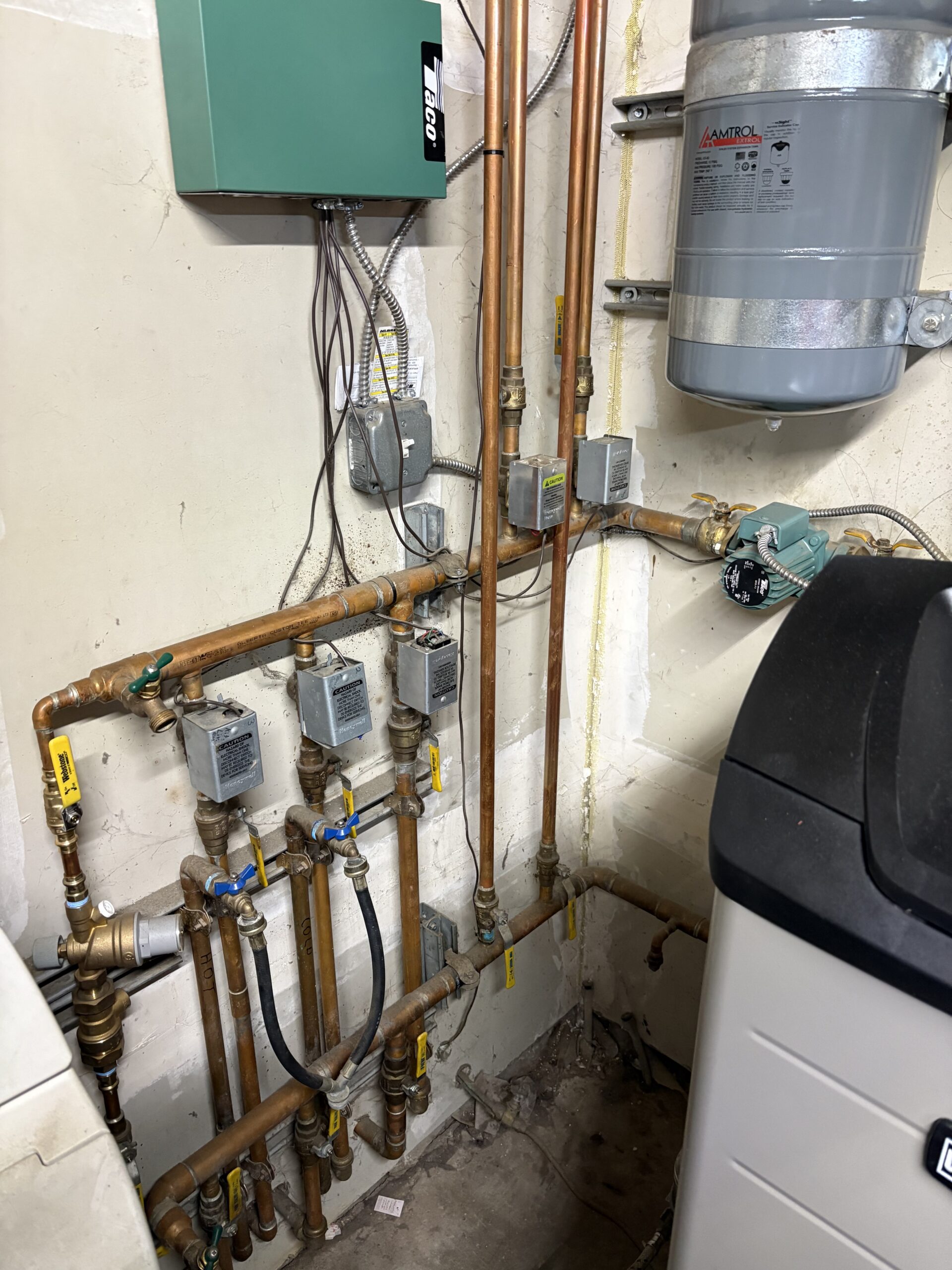
Gas lines in North Pole homes run quietly in the background for years, and most homeowners give them very little thought until something goes wrong. That is exactly what makes gas line problems dangerous. A slow leak does not look like anything, does not always smell like much, and can develop for days before a homeowner connects the symptoms to the source.Common gas line warning signs in North Pole homes are worth knowing because the consequences of missing them are serious. The National Fire Protection Association reports that natural gas ignites an estimated 4,200 home fires annually across the United States. In a climate where every home in North Pole depends on gas-fired heating systems for survival through the winter, a gas line problem is not a minor maintenance issue to schedule at your convenience.North Pole homes carry additional risk factors that homeowners in the lower 48 simply do not face. The extreme cold accelerates wear on every component of the gas supply system. Frost heave moves buried lines out of position. Heating appliances run eight or nine months of the year rather than three or four. And because pipe insulation and buried supply lines are under constant thermal stress, the failure modes here are different from what most general guidance covers.This article covers the specific signs that a gas line in a North Pole home is compromised, why the local climate creates additional risk factors, and what to do the moment you suspect a problem.In this article, you will learn about:
- Why North Pole's climate creates extra stress on residential gas lines
- The sensory signs of a gas leak every homeowner should recognize
- Physical and behavioral clues that point to a line problem
- The right response when you suspect a leak
- When to call for a gas line inspection versus when to evacuate immediately
Keep reading to understand what your gas system might be telling you and why acting early is the only safe approach.
Why North Pole gas lines face risks that warmer markets do not
Gas lines in most parts of the country deal with age, corrosion, and the occasional ground settlement. In North Pole, they deal with all of that plus a freeze-thaw cycle that stresses every buried component every single year.The active soil layer above the permafrost freezes and thaws with the seasons, and that movement applies mechanical force to everything buried in it. Gas service lines, like outdoor plumbing lines, can shift position, pull at fittings, and develop micro-cracks at joints over repeated cycles of that stress. A connection that was secure at installation may have been working loose over a decade of frost heave before it finally begins to leak.Indoor gas lines face a different but related problem. North Pole homes run their heating systems far harder and far longer than homes in moderate climates. Furnaces, boilers, and water heaters in Interior Alaska cycle through pressure and temperature changes more frequently than equivalent equipment in a lower-demand market. General heating repair calls in this region often turn up gas connection problems that have been developing quietly alongside the mechanical failure that prompted the call.
The role of old pipe materials and connections
A significant portion of North Pole's housing stock dates from the 1960s through the 1980s. Homes from that era commonly used uncoated brass flexible connectors to supply gas to appliances. The U.S. Consumer Product Safety Commission has documented that these connectors can crack or break if moved even slightly, and that many homes with appliances 15 years old or older still have them in place. In a climate where technicians access appliances repeatedly for seasonal maintenance, the risk of a connector shifting is real.Older homes may also have black iron pipe throughout with threaded connections that rely on thread sealant aging over decades. A joint that has been through dozens of freeze-thaw seasons and experienced gradual house settlement may no longer be as tight as it was at installation. Homes with repiping work already completed on the water supply side should not assume the gas lines are in any better condition if they date from the same era.
Earthquake activity adds another variable
Alaska is seismically active, and North Pole and the Fairbanks Borough are not immune. Ground movement from an earthquake, even a relatively minor one, can shift buried gas lines, loosen fittings at appliance connections, and crack aging flexible connectors. After any seismic event, a gas line inspection is a reasonable precaution even if no immediate symptoms are present.Any unresolved concern about buried lines is worth bundling with a broader plumbing inspection that covers the full supply side, since a technician already on-site can check both systems in a single visit.
The smell you should never rationalize away
Natural gas is naturally odorless. The sulfur compound added to it, called mercaptan, gives it the familiar rotten-egg smell that people associate with a gas leak. That smell exists specifically so homeowners can detect a problem before it reaches a dangerous concentration.The challenge is that people rationalize smells. A faint sulfur odor noticed on a cold morning gets attributed to the furnace starting up, or to something in the water, or to any number of explanations that allow the homeowner to go about their day without addressing the actual source. Homes with hard water and whole-home water filtration issues sometimes produce hydrogen sulfide odors from the water supply that can be confused with a gas smell, which is a reason to confirm the source rather than guess.Any sulfur or rotten-egg smell inside a North Pole home deserves immediate attention the first time it is noticed. Gas odor means gas is present somewhere it should not be, and the two possible explanations are a leak in the supply line, a fitting, or an appliance connection, or incomplete combustion in a heating appliance. Neither is acceptable and both require professional evaluation.
When you smell gas faintly versus strongly
The intensity of the odor gives a rough indication of concentration but is not a reliable safety gauge. A faint smell that comes and goes may indicate a slow leak that builds to detectable levels in enclosed spaces, then disperses when a door opens. A strong and persistent smell indicates a more significant release.Neither situation should wait. The faint, intermittent smell is more likely to go unaddressed because it seems minor, and that is exactly how slow leaks cause the most harm. A gas concentration that is too low to smell consistently can still build to dangerous levels in a basement, a mechanical room, or a crawl space before it is ever noticed at the level where a homeowner spends time.If you smell gas:
- Do not turn any electrical switches on or off
- Do not use a phone inside the building
- Leave immediately and leave the door open behind you
- Call your gas utility and 911 from outside or from a neighbor's home
- Do not re-enter until cleared by emergency responders or a licensed technician
Other odors that can indicate a combustion problem
A faint smell of burning or singed material near a furnace, boiler, or water heater can indicate incomplete combustion, meaning the appliance is not burning the gas cleanly and may be producing carbon monoxide as a byproduct. Carbon monoxide has no smell, but overheated components or a dirty burner often produce a burning odor that accompanies CO-producing conditions.A yellow or orange burner flame instead of a clean blue flame is another combustion warning sign. Blue flame means complete combustion. Yellow or orange means the air-to-gas mixture is off, which produces elevated carbon monoxide output. Scheduling a furnace repair or boiler evaluation the moment either of these conditions is noticed is the right call, not a seasonal maintenance item to defer until spring.
Physical signs at appliances and connections
The nose is not the only diagnostic tool available to a North Pole homeowner. Several physical signs at appliances, connections, and on the gas line itself are visible indicators that something is wrong.
Rust, corrosion, or moisture at fittings and connections
Gas line fittings and connections that show visible rust or corrosion are under stress. Corrosion on a fitting means the metal has been exposed to moisture, which can come from condensation in a mechanical room, a small water leak nearby, or simply age. Corroded metal is weaker than fresh metal, and a fitting that shows surface rust may have internal corrosion compromising the seal.Pay attention to these areas specifically:
- The flexible connector linking the gas supply pipe to a range, dryer, or water heater
- The shut-off valve on the appliance supply line, especially near the base where condensation collects
- Any visible black iron pipe in the mechanical room or basement, particularly at threaded joints
A corroded fitting does not necessarily mean it is leaking right now, but it means the margin of safety is reduced. A gas line repair visit that catches a compromised fitting before it fails is the right outcome. Given that water heater maintenance visits already require a technician to access the appliance connection, it costs nothing extra to have the flexible connector inspected at the same time.
Visible damage or kinking in flexible connectors
Flexible gas connectors are designed to allow slight movement between the rigid supply line and the appliance. They are not designed to be bent sharply, coiled tightly, or stressed by appliance movement without adequate slack. In older homes where appliances have been moved for cleaning or maintenance over the years, flexible connectors sometimes develop a kink or sharp bend that stresses the corrugated metal wall.A kinked flexible connector should be replaced. Running gas through a connector with a mechanical stress point is a failure risk, and the repair is straightforward and inexpensive compared to the alternative. This applies equally to the gas connection on a water heater where tankless water heater installations require larger-diameter supply lines that older connectors are not rated for.
Dead or discolored vegetation above a buried gas line
A buried gas line that is leaking will displace oxygen in the soil above it. Plant roots in that zone suffocate, and the vegetation at the surface shows stress that surrounding plants do not. Dead grass, dying shrubs, or a strip of vegetation that looks wilted or bleached in a pattern following the path of the buried service line is a sign worth taking seriously.This sign is most visible in late spring and summer when vegetation growth is active. A leaking buried line can go undetected indoors for an extended period if the gas is dispersing into the soil rather than accumulating inside the structure. The yard sign may appear before any indoor odor does, which is why a water leak detection sweep that includes a gas line check during any summer plumbing inspection is a reasonable precaution.
Behavioral signs from your appliances and heating system
Beyond what you can see and smell, gas line problems often announce themselves through how your appliances perform. Changes in how the heating system, range, or water heater behaves can indicate that gas supply pressure or volume has changed.
Appliances that are harder to light or that go out during operation
A pilot light that requires multiple attempts to stay lit, a range burner that lights slowly or goes out mid-use, or a furnace that starts and then shuts down before completing a heating cycle can all indicate reduced gas supply pressure. That reduction can come from a partial blockage in the supply line, a failing regulator, or a significant leak elsewhere in the system that is bleeding pressure before it reaches the appliance.Intermittent ignition problems that seem to resolve on their own are worth tracking. If a burner that was reliable becomes unreliable and then seems fine for a few days, the underlying cause has not changed. The gas pressure or supply issue is still present, and intermittent symptoms often precede a consistent failure. A boiler repair call that includes a gas supply pressure check covers both the appliance and the line feeding it.
Heating system that runs longer than normal without reaching temperature
A furnace or boiler that runs for an extended period without bringing the home to the set temperature is behaving abnormally. Reduced gas supply pressure is one cause. If the system is receiving less gas than it is rated for, it cannot produce its rated heat output and will run longer to compensate. Given that heating system failure in Interior Alaska is a safety-critical situation rather than a comfort issue, getting a reliable diagnosis matters.A cooling system service inspection done annually is a good model for what gas-fired heating systems deserve in the opposite season: a pre-season check before the system is running around the clock. Finding a supply pressure issue in September costs far less than finding it in January when technician schedules are compressed and parts availability is limited.
Higher-than-expected gas bills without a change in usage
A gas bill that climbs significantly over two or three billing cycles without any obvious change in weather or household usage is worth investigating. A metered leak, where gas is flowing through the meter and being lost before it reaches the appliance, registers as consumption on the bill even though no heat is being produced.Comparing monthly bills to the same period in prior years, accounting for temperature differences between years, can reveal an unexplained increase that warrants a supply line check. This is the same billing-trend analysis that catches sump pump problems through rising electricity consumption, and it works the same way for gas.
What to do when you suspect a gas line problem
The response to a suspected gas leak differs depending on how strong the evidence is. A clearly detectable gas odor anywhere inside the home requires immediate evacuation. A faint or uncertain smell, a single appliance behaving oddly, or a suspected combustion issue warrants prompt professional evaluation.
The immediate evacuation checklist
If you detect a clear gas smell indoors:
- Get everyone out of the building, including pets
- Leave doors open as you exit to allow ventilation
- Do not operate any electrical switches, light switches, or garage door openers on the way out
- Do not use a cell phone until you are outside and clear of the building
- Call 911 and your gas utility from outside
- Do not re-enter for any reason until emergency responders have cleared the structure
The instinct to go back in to check on something, grab a phone, or turn off an appliance is understandable and dangerous. A gas concentration that has reached detectable levels indoors may already be within the explosive range in enclosed areas like the mechanical room.
Scheduling an inspection for non-emergency concerns
Not every gas line concern is an immediate emergency. Corrosion on a visible fitting, an appliance that starts harder than it used to, or a gas bill trending higher than expected are all valid reasons to schedule a diagnostic visit without calling 911.A licensed technician performing a gas line evaluation checks supply pressure at the meter and at each appliance, inspects visible connections and fittings, uses a gas detector to check for trace leaks at joints throughout the system, and verifies that all appliances are combusting cleanly. An evaluation that also covers the gas line installation points, the service entry and any additions or modifications made over the years, is worth requesting specifically in homes older than 20 years.In North Pole, where buried lines have been through years of frost-heave stress and indoor systems run harder than most markets demand, a periodic inspection is not just a reactive measure. It is a reasonable part of maintaining a home where the gas supply feeds every critical safety system. The same logic applies to the broader plumbing maintenance mindset: systems under higher stress need attention on a shorter cycle than national averages assume.
Carbon monoxide detectors as a parallel safety layer
A gas leak that reaches combustion is detectable by smell. A furnace or boiler combusting improperly and producing carbon monoxide is not. Carbon monoxide detectors on every level of the home, and particularly near sleeping areas and mechanical rooms, provide a parallel safety layer that catches combustion-related risk that gas odor alone does not cover.Carbon monoxide detectors should be tested monthly and replaced according to the manufacturer's schedule, typically every five to seven years. In a North Pole home where the heating system runs for most of the year, the detector is providing meaningful protection for a far larger portion of the year than it would in a moderate climate. Pairing working detectors with a current membership plan that includes priority scheduling for heating emergencies covers both the detection and the response sides of the equation.
Conclusion
Gas line problems in North Pole homes rarely announce themselves loudly or all at once. A sulfur smell that seems faint, a pilot light that takes a few extra tries, a utility bill that crept up through the winter, a strip of dead grass above the buried service line in June — each of these is a signal that something in the gas system deserves attention.The homes that avoid gas-related emergencies are the ones where homeowners recognize these signs for what they are rather than rationalizing them away. Acting on a faint smell or a corroded fitting costs the price of a service call. Missing those signs carries a much steeper cost.If anything in this article describes something you have noticed in your home, do not wait until the next concern appears. Prospector Plumbing and Heating serves North Pole, Fairbanks, and the surrounding Interior Alaska communities with licensed gas line inspection and repair. Call us to schedule a diagnostic visit and know exactly where your system stands.
Licensed & insured Alaska plumbing and heating. Locally owned and operated! We're the happiest plumbers in Alaska and go the extra mile on every job!
Fairbanks
135 32nd Avenue
Fairbanks AK 99701
North Pole
North Pole, AK 99705
Mat-Su Valley
1712 N Williwaw Way
#1 Wasilla, AK 99654
Eagle River
AK 99577